Free Inspections & EstimatesSame Day Service

Get Centipede Control Near You

Send centipedes packing!

Feel comfortable in your home. Let Fox Pest Control take care of your centipede problem.

Same Day Service

Free Inspections & Estimates

Satisfaction Guaranteed

Fox Pest Control technician inspecting kitchen for pests

Fox techs are experts at evicting your tiny tenants.

To ensure our customers’ safety, all Fox Pest Control technicians undergo a thorough screening process and complete extensive classroom training, along with ongoing on-the-job mentoring with an experienced technician.

The easiest way to get rid of centipedes.

Dealing with creepy crawlies? If you’re wondering how to get rid of centipedes, it helps to know their habits and stop them from moving in. At Fox Pest Control, we’re experts in centipede control and know just how to handle any centipede infestation. Plus, our Home Protection Plan keeps your home protected from centipedes year-round. We’re confident our centipede treatment will work, but if they don’t stay away, we’ll come back and retreat at no charge!

1

Schedule with Fox

Call Fox Pest Control today for a free inspection: (855) 953-1976.
Call before 2 pm and get same-day service.

Remote locations and other conditions may require next-day service.

2

Treatment

A certified technician will inspect your property and provide customized pest control treatment based on their findings.

3

Follow Up

Each service provides a detailed report and helpful tips to keep pests away. We return regularly throughout the year, increasing protection with every visit.

Hamilton Allen Ph.D., BCE

Certified Entomologist, Fox Pest Control

Centipede Facts


Size: 1/8th to 6 inches
Number of legs: 15-177 pairs
Wings: no
Bites or stings: yes
Color: yellowish with gray or dark brown, sometimes with stripes
Carry disease: no
Damages home/yard: no
Most active season: spring & fall
Fox plan for this pest: Home Protection Plan

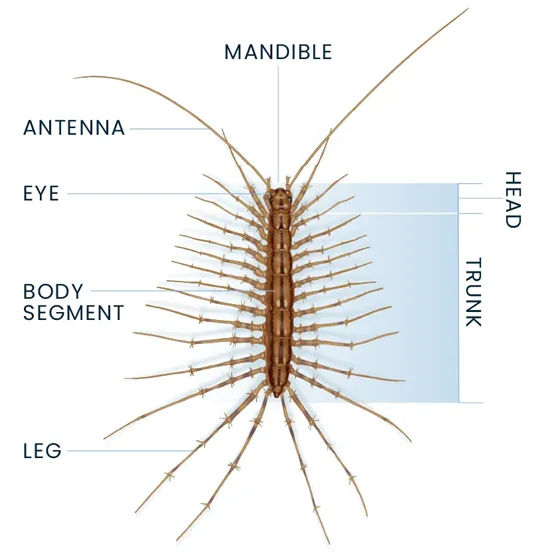
What do centipedes look like?

Centipede Anatomy Diagram

Venomous Predators.

Centipedes are skilled hunters equipped with venomous claws that inject paralyzing venom into their prey. They primarily use venom to subdue insects and other small invertebrates.

Numerous Legs, Varied Counts.

Despite the name “centipede,” suggesting 100 legs, these arthropods have varying leg counts, depending on the species. Each body segment has one pair of legs.

Cannibalistic Behavior.

In some centipede species, cannibalism is not uncommon. Larger centipedes may prey on smaller ones, showcasing their aggressive and carnivorous nature even within their own species.

Swift and Agile Movements.

Centipedes are known for their remarkable speed and agility. They use their many legs to swiftly navigate diverse terrains, making them effective hunters in various environments.

Longevity and Molting.

Centipedes undergo molting throughout their lives, shedding their exoskeletons to grow. Some species can live for several years; molting is crucial for their continued development and survival.

Learn all about centipedes—their habits, habitats, and how to keep them out of your home—by exploring our Centipede Pest Files.


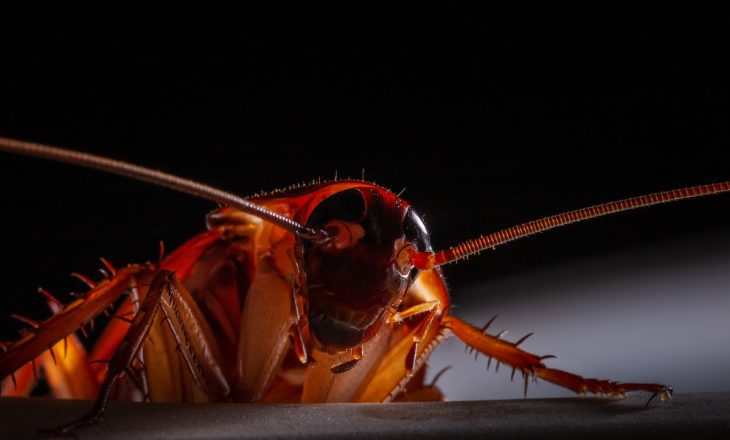
Pests that can be confused with centipedes.

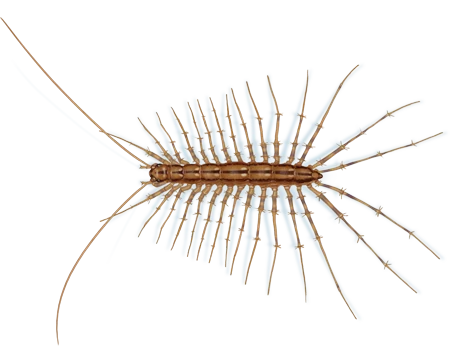
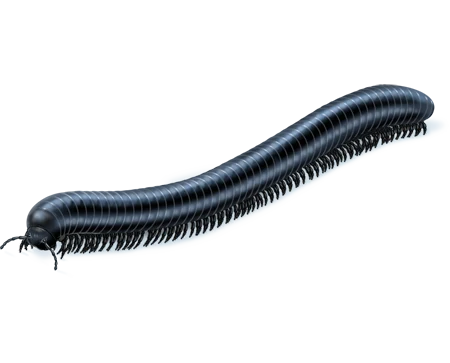
People often confuse centipedes and millipedes because they look pretty similar at first glance. Both have long, segmented bodies and lots of legs, which is enough to make them easy to mix up.

Centipede

Millipede

You might already know for sure that you have an centipede problem. Here are a couple of the most common signs of centipede infestation.

Spotting centipedes in your home might be challenging due to their nocturnal behavior. You’ll most likely find them in bathrooms near the tub and in the corners of rooms. Finding centipedes in your home often may indicate an infestation but could also indicate a larger issue with other arthropods or pests.

Centipedes are attracted to damp and moist environments. If you have areas with high humidity or water leaks in your home, it could create an ideal habitat for centipedes. Watch for them outdoors in loose bark, under stones, and in piles of leaves and grass clippings

Centipedes feed on insects, spiders, and small arthropods. If you have an abundance of other pests in your home, it could attract centipedes as they follow their prey.

In some cases, centipede infestations may produce an unpleasant, musty odor. This smell can be a result of their secretions.

Seal entry points

Clean regularly

Fix water leaks

Keep garbage sealed

Outdoor maintenance

People like us.
Pests don't.

4.72 Average | 45,000+ Reviews

Bryan A.

I could not be more pleased with our initial home treatment today! Vincent arrived on time and was extremely thorough in his explanation of the services he performed. He was very polite, respectful of our inside spaces, and had a great attitude throughout the visit. A++ professional! Thank you!

Kayla B.

Overall - very satisfied with communication and job done for my first time ever hiring pest control. Very knowledgeable and explains everything. Makes it very easy to maintain for a super busy family like ours.

Fox Guarantee: We Come Back for Free!

    What type of property do you need help with?

    Are you a current customer?


    By clicking the checkbox, I am providing my eSign signature and consent to Fox Pest Control contacting me at the number above for marketing purposes including through the use of automated technology, SMS/MMS messages, and prerecorded and/or artificial voice messages (including AI generated messaging).  I acknowledge my consent is not required to purchase and I can connect with Fox Pest Control without providing consent by calling 833-667-3785. Message frequency may vary, and message & data rates may apply. Reply 'STOP' to unsubscribe. Reply 'HELP' for help. I also agree to the Fox Pest Control Privacy Policy and Terms of Use.

    Fox Pest Control technician talking to female customer

    Centipede FAQs

    Are centipedes poisonous to humans?

    All centipedes have poison jaws that inject venom to kill their prey. However, the venom of most common house centipedes is not harmful to humans. If you’d rather not concern yourself with centipedes, call Fox Pest Control. When you sign up for the Home Protection Plan, we treat your home year-round so you can feel safe and protected in your home.

    Do centipedes bite?

    Centipedes can and do occasionally bite but usually only in self-defense. While a centipede bite can be painful and may cause some localized swelling, it is generally not considered dangerous. Call Fox Pest Control today, and don’t let centipedes steal your peace of mind.

    How many legs does a centipede have?

    Centipedes can have anywhere from 15 to 177 pairs of legs! Even though the name means “100 feet”, they can never actually have 100 legs. That’s because they always have an odd number of leg pairs. Fox Pest Control can take care of centipedes for you, no matter how many legs they have! Call today for a free consultation.

    Are centipedes dangerous?

    Centipedes may look scary, but they’re not dangerous. Their bites, while painful with localized swelling, are generally not harmful. Overall, centipedes help control insects and pose more of a nuisance than a serious threat to human health. If you’re getting overrun by centipedes and want to take back your home, call Fox Pest Control today!

    What do centipedes eat?

    Centipedes are carnivorous hunters, eating insects like spiders, flies, cockroaches, and even other centipedes. The bigger species in tropical areas can even eat frogs and small birds. They grab their prey, wrap around it, and wait for their venom to work before eating. If you don’t want centipedes snacking at your house, call Fox Pest Control today!