Free Inspections & EstimatesSame Day Service
Send carpenter ants packing.
Feel comfortable in your home. Let Fox Pest Control take care of your carpenter ant problem.
Same Day Service
Free Inspections & Estimates
Satisfaction Guaranteed

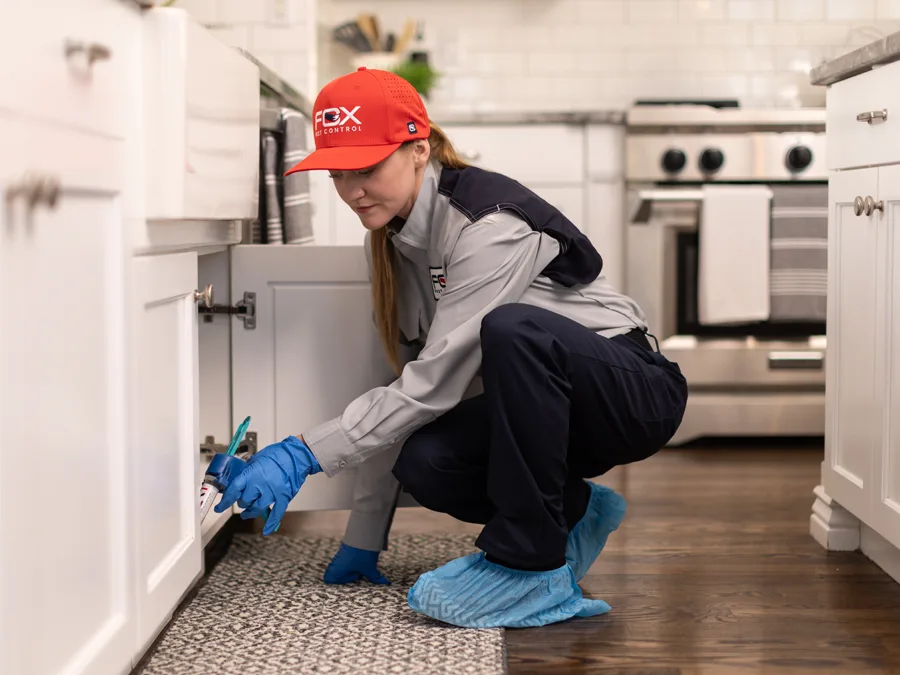
To ensure our customers’ safety, all Fox Pest Control technicians undergo a thorough screening process and complete extensive classroom training, along with ongoing on-the-job mentoring with an experienced technician.
Dealing with carpenter ants? The best way to stop them in their tracks is to call Fox Pest Control! We’ll get rid of the problem and protect your home against future carpenter ant damage. Plus, our Home Protection Plan keeps your home safe all year long. We’re so confident we can handle your carpenter ant problem that we guarantee you’ll be satisfied. If those ants don’t stay away, we’ll come back and take care of them for free!
Call Fox Pest Control today for a free inspection: (855) 953-1976.
Call before 2 pm and get same-day service.
Remote locations and other conditions may require next-day service.
A certified technician will inspect your property and provide customized pest control treatment based on their findings.
Each service provides a detailed report and helpful tips to keep pests away. We return regularly throughout the year, increasing protection with every visit.
Everything you never wanted to know about carpenter ants.

Hamilton Allen Ph.D., BCE
Certified Entomologist, Fox Pest Control
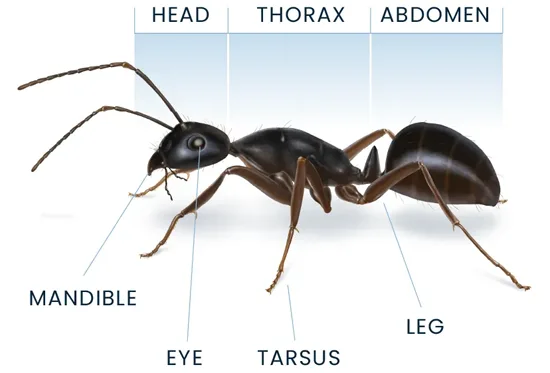
Size: ¼” to ⅝”
Number of legs: 6
Wings: yes
Bites or stings: yes
Color: black, red, brown, tan, yellow, or a combination
Carry disease: no
Damages home/yard: yes
Most active season: spring, summer, and fall
Fox plan for this pest: Home Protection Plan
There are over 15,000 species of ants! While we don’t treat all of them, we can help you identify what’s bugging you and take care of them.


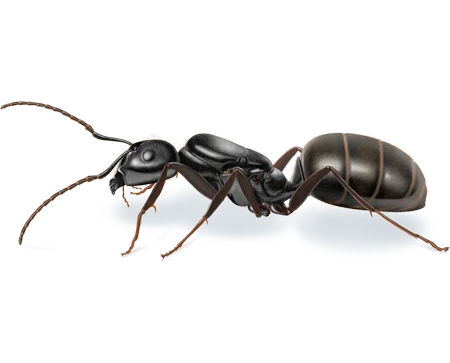
Queen

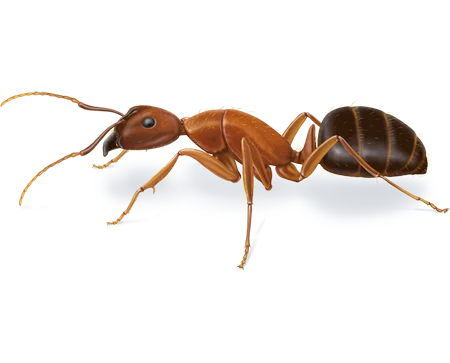
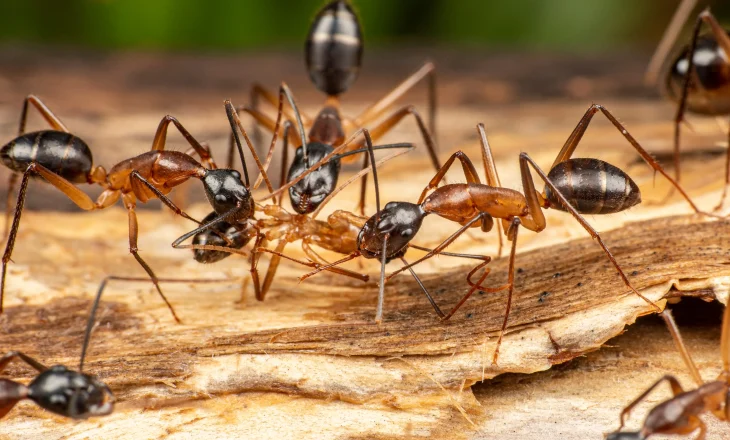
Red Carpenter Ant

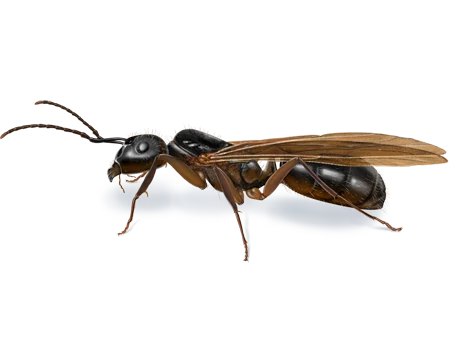
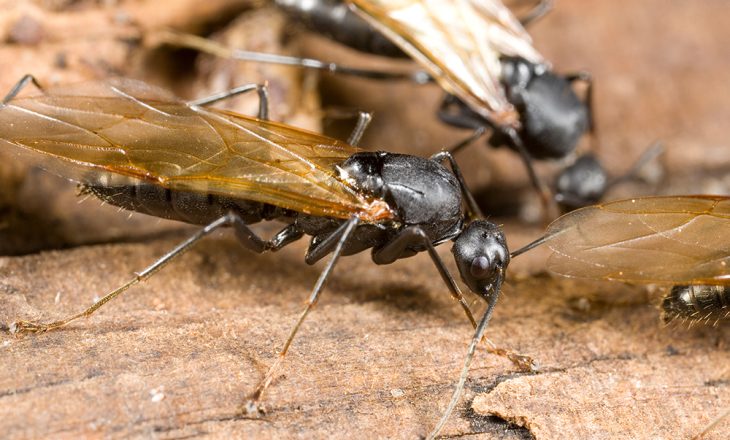
Swarmer

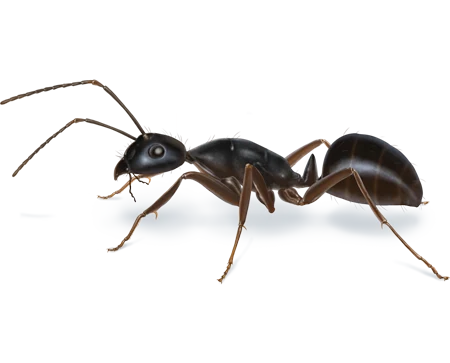
Worker
Had it with carpenter ants?
Call now and get $50 off pest control.
Call before 2pm and get same-day service.
Instead, they excavate wood to establish nests and create passageways within the structure. The main reason for chewing through wood is to provide shelter and a suitable environment for the ant colony.
Their diets include plant and animal matter, such as insects (both living and deceased), juices, fresh fruits, honey, jelly, sugar, syrup, meats, grease, and fats.
Generally, they search for food along edges, corners, and well-established trails between nesting and feeding areas.
After sunset, foraging ants leave their nests to find food, transporting it to feed larvae. They carry food in their mandibles or consume and store it in their crops for later use.
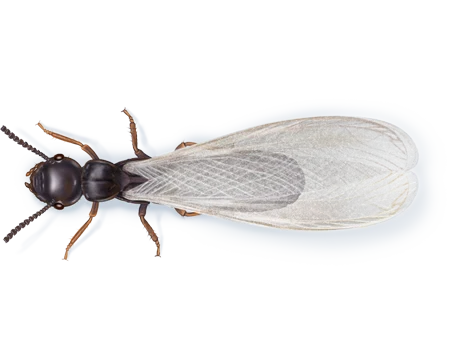
They both have two pairs of wings. They are very different pests, though. The most noticeable differences are:
The parent nest, usually found in damp wood, houses the queen, eggs, and small larvae. Satellite nests, found in drier areas, house the larger larvae and pupae. Workers transfer the brood between nests.
Explore our Carpenter Ants Pest Files to learn about their behavior, the damage they can cause, and how to effectively manage infestations.
Reproductive Carpenter ants have wings and are often confused with reproductive termites. They are both known as swarmers but are very different. Carpenter ants can also be confused with other ants, such as field ants, crazy ants, and yellow ants, as they all have a single node between their thorax and abdomen.

Carpenter Ant

Termite
You might already know for sure that you have an carpenter ant problem. Here are a couple of the most common signs of an carpenter ant infestation.
Active carpenter ant colonies may produce a loud rustling sound like crinkling cellophane. Sometimes, workers strike walls with their mandibles and abdomen to signal an alarm.
Carpenter ants do not eat wood; they only excavate it to make their nests. They carry and deposit wood shavings that look like pencil sharpener debris outside the nest, which often also contains frass.
Small, fibrous piles of insect waste expelled from nest galleries. Frass from carpenter ants contains insect parts because some ants eat other carpenter ants or die during excavation.
Carpenter ants chew wood to form smooth galleries with a sanded appearance. Check for fallen wood shavings near ant holes inside buildings as a sign of their activity.
Carpenter ants are typically larger and dark-colored. Another sign of possible carpenter ant activity is seeing large, winged ants indoors, emerging from ceilings, walls, floor joists, crawl spaces, or hidden cracks.
Seal entry points
Keep wood piles away from house
Trim vegetation
Fix water leaks
Clean regularly
Repair damaged or damp wood
4.72 Average | 45,000+ Reviews
We’re so sure you’ll love our service, we guarantee it. If you spot any pests included in your plan, just give us a call. We’ll come back until the pests don’t.
Send us a message using the form below, or just give us a call at (855) 953-1976.