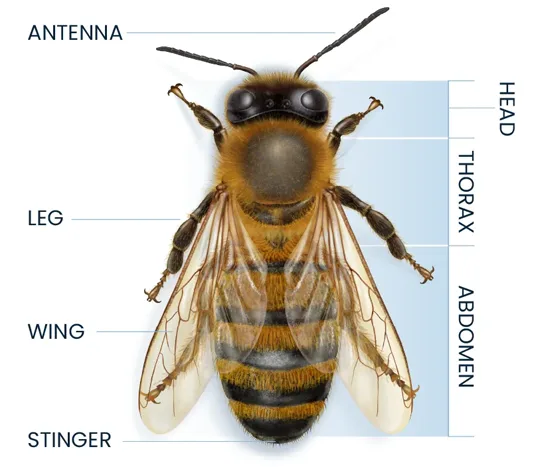
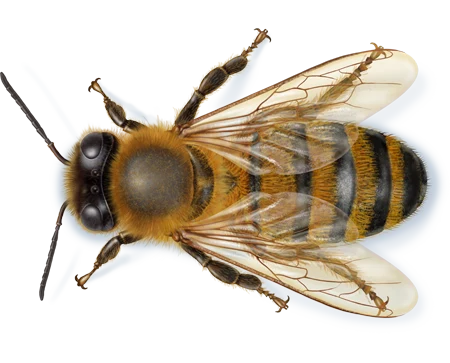
In a bee colony, there is a clear hierarchy of three main types of bees.
This structure supports the efficient functioning and survival of the bee colony, with each member playing a specific role in maintaining the health and productivity of the hive.
- Queen Bee: The queen bee is at the top of the hierarchy, the only female responsible for laying eggs. She releases pheromones that influence the behavior and development of the other bees in the colony. The queen bee is tended to by worker bees, who feed and groom her.
- Worker Bees: Worker bees are infertile females responsible for tasks within the colony, including foraging for food, caring for the queen and developing brood, building and supporting the hive, and defending the colony. They outnumber other bees in the colony and perform most of the labor.
- Drone Bees: The drone bees are male bees whose primary purpose is to mate with a queen from another colony. They do not have stingers or engage in other tasks within the hive. Drones are typically expelled from the colony during the fall or winter when resources are scarce.
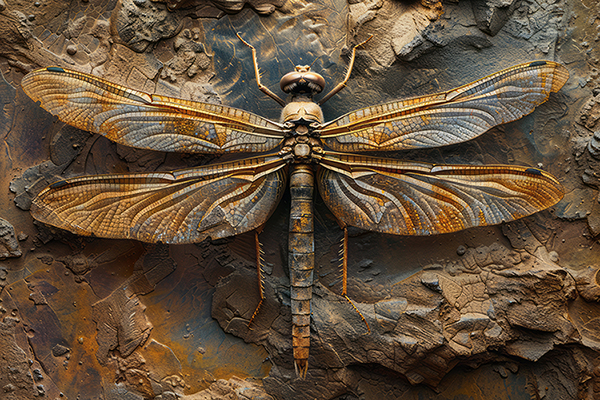
Bees have been on Earth for over 100 million years.
Human civilizations began harvesting honey nearly 8,000 years ago, recognizing bees’ vital role in agriculture and the valuable resources they provide, including honey, pollen, and wax. These contributions have remained essential to our species throughout history.
Unlike humans, bees cannot see the color red.
Instead, they possess vision in the ultraviolet spectrum. They adeptly discern between darkness and light, aiding in edge detection and shape recognition. However, bees may encounter challenges in distinguishing between similar shapes with smooth contours, such as circles and ovals.
During the summer, worker bees have a lifespan of only two to four weeks.
However, if they hatch late and remain in the hive for winter, their lifespan extends to 11 months.
Bees have a unique feature called a “honey stomach.”
It’s like having a second stomach just for storing nectar. When bees collect nectar from flowers, they fill up this special stomach. Then, when they return to the hive, they share the nectar with other bees. This helps them make honey, which they use as food for themselves and the colony.
To gain a better understanding of bees—their behavior, ecological importance, and how to manage them safely—explore the Bees Pest Files for comprehensive insights.