Free Inspections & EstimatesSame Day Service

Get Yellowjacket Control Near You

Buzz off, yellowjackets!

Feel comfortable in your home. Let Fox Pest Control take care of your yellowjacket problem.

Same Day Service

Free Inspections & Estimates

Satisfaction Guaranteed

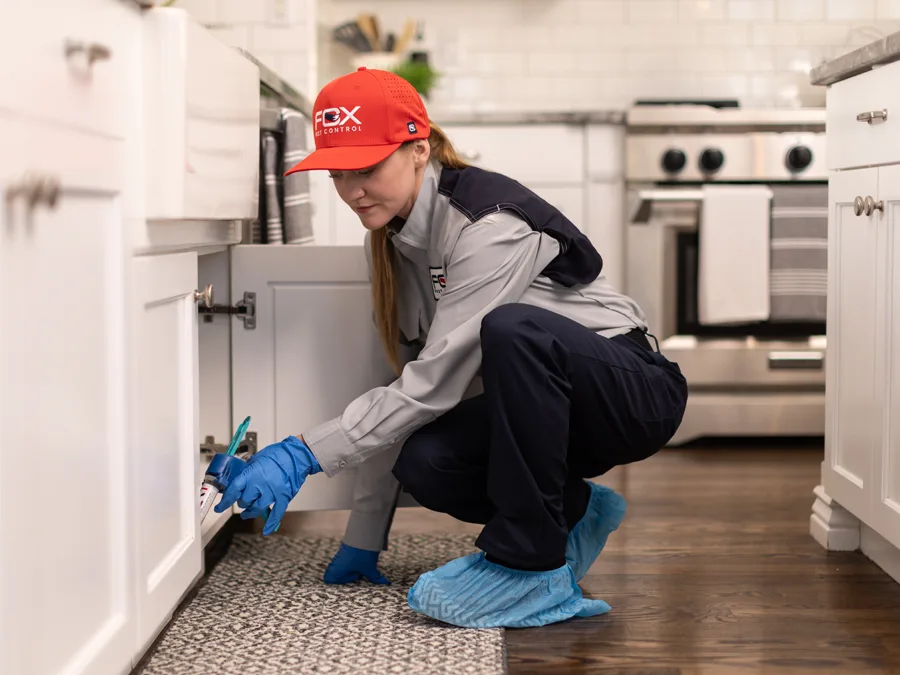
Fox Pest Control technician inspecting kitchen for pests

Fox techs are experts at evicting your tiny tenants.

To ensure our customers’ safety, all Fox Pest Control technicians undergo a thorough screening process and complete extensive classroom training, along with ongoing on-the-job mentoring with an experienced technician.

The easiest way to get rid of yellowjackets.

Tired of dodging yellowjackets in your yard? Fox Pest Control is here to help! We specialize in yellowjacket control and know how to eliminate these aggressive stingers. Our professional treatments ensure your home and yard are safe and enjoyable again. With our Home Protection Plan, you’ll have year-round protection from yellowjackets and other pesky pests.

1

Schedule with Fox

Call Fox Pest Control today for a free inspection: (855) 953-1976.
Call before 2 pm and get same-day service.

Remote locations and other conditions may require next-day service.

2

Treatment

A certified technician will inspect your property and provide customized pest control treatment based on their findings.

3

Follow Up

Each service provides a detailed report and helpful tips to keep pests away. We return regularly throughout the year, increasing protection with every visit.

Hamilton Allen Ph.D., BCE

Certified Entomologist, Fox Pest Control

Yellowjacket Facts


Size: ⅜ – ⅝ inch
Number of legs: 6
Wings: 2 pairs
Bites or stings: yes
Color: black and yellow
Carry disease: no
Damages home/yard: no
Most active season: late summer and fall
Fox plan for this pest: Home Protection Plan

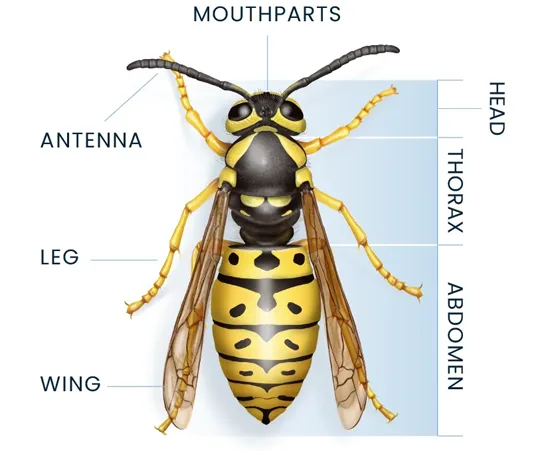
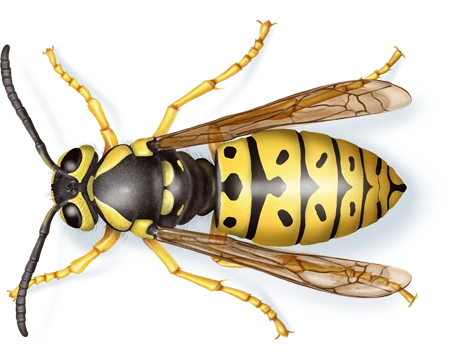
What do yellowjackets look like?

Yellowjacket Anatomy Diagram

Yellowjackets are social insects.

The live in colonies with a structured hierarchy consisting of a queen, workers, and sometimes drones (males). Unlike bees, they have segmented bodies with a small waist, and most species have yellow or black markings.

Yellowjacket colonies are annual, with only the inseminated queens surviving the winter to set up new colonies in the spring.

The queen builds a small nest and lays eggs, which hatch into workers. As the colony grows, it builds a larger nest and produces new queens and males later in the season.

Yellowjackets are a common nuisance in late summer and early fall when their colonies are at their largest.

They are attracted to outdoor activities, picnics, and outdoor food sources, often leading to encounters with humans.

Yellowjackets are notorious for nesting in the ground or at the base of trees, which poses a risk of accidental disturbance.

This habit makes them a nuisance to have around, especially since they may also nest in unexpected places like outbuildings or sheds. These stinging insects are often provoked by vibrating machinery, such as mowing the lawn, resulting in stinging attacks.

Yellowjackets typically hesitate to sting unless they feel threatened, especially around their nest entrances, where they are highly territorial.

When provoked, they can become highly aggressive and may sting repeatedly, causing intense pain. Individuals allergic to their venom may experience severe reactions, and repeated stings could lead to hypersensitivity, posing a serious risk upon future encounters.

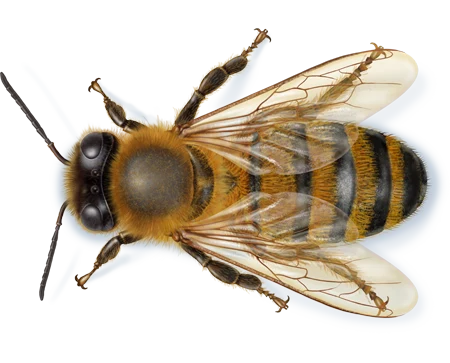
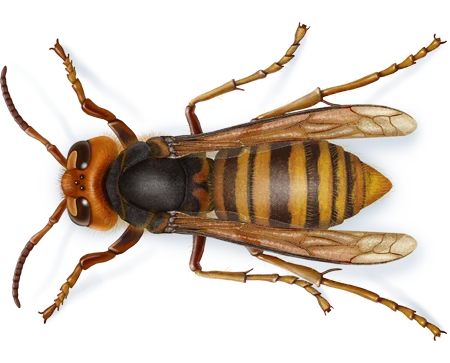
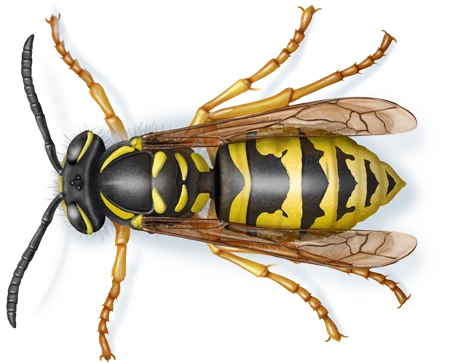
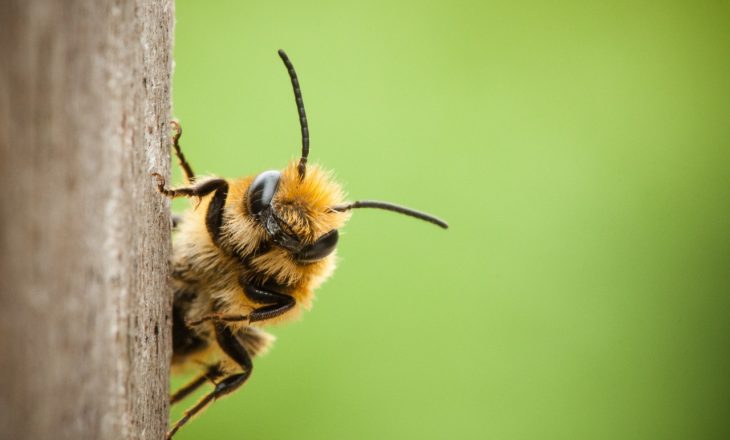
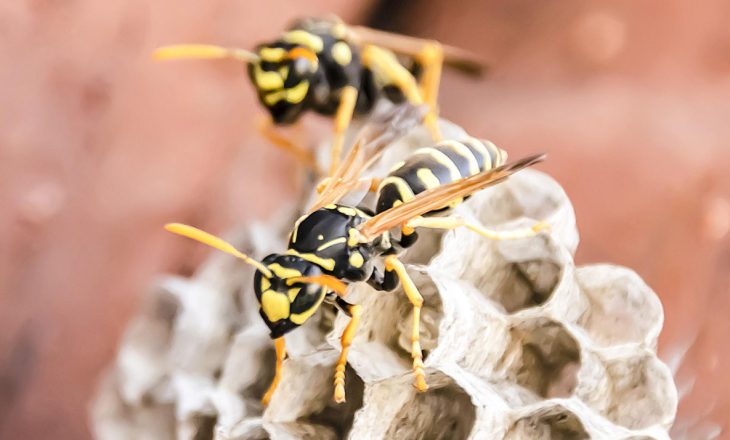
Pests that can be confused with yellowjackets.

People often confuse many flying insects with yellowjackets, including bees, paper wasps, hornets, and mud daubers.

Bee

Hornet

Wasp

Yellowjacket

You might already know for sure that you have an yellowjacket problem. Here are a couple of the most common signs of an infestation.

If you notice an increase in the number of yellowjackets flying around your property, particularly around specific areas such as eaves, bushes, or trees, it could indicate a nearby yellowjacket nest.

Yellowjacket nests can be aerial or underground. Look for yellowjacket nests in wall voids or sheltered areas like bushes or trees. Yellowjacket nests are constructed from wood and have a paper-like appearance. The underground nests are hidden, but if you see yellowjackets entering and leaving a hole in the ground…beware! The nest is nearby!

You may hear buzzing sounds from areas where yellowjackets are nesting, especially if the nest is inside your home or in a confined space.

Yellowjackets may show aggressive behavior if they feel threatened or if their nest is disturbed. Watch out for yellowjackets repeatedly flying toward people, pets, or food sources, which could indicate a defensive response from the colony.

In some cases, yellowjackets may cause damage to property while building or expanding their nests. Look for signs of chewed wood, paper, or other materials near potential nesting sites.

Seal entry points

Avoid nest disturbance

Maintain landscaping

Keep garbage sealed

Keep outdoor food/drinks covered

Use wasp traps

People like us.
Pests don't.

4.72 Average | 45,000+ Reviews

Bryan A.

I could not be more pleased with our initial home treatment today! Vincent arrived on time and was extremely thorough in his explanation of the services he performed. He was very polite, respectful of our inside spaces, and had a great attitude throughout the visit. A++ professional! Thank you!

Kayla B.

Overall - very satisfied with communication and job done for my first time ever hiring pest control. Very knowledgeable and explains everything. Makes it very easy to maintain for a super busy family like ours.

Fox Guarantee: We Come Back for Free!

    What type of property do you need help with?

    Are you a current customer?


    By clicking the checkbox, I am providing my eSign signature and consent to Fox Pest Control contacting me at the number above for marketing purposes including through the use of automated technology, SMS/MMS messages, and prerecorded and/or artificial voice messages (including AI generated messaging).  I acknowledge my consent is not required to purchase and I can connect with Fox Pest Control without providing consent by calling 833-667-3785. Message frequency may vary, and message & data rates may apply. Reply 'STOP' to unsubscribe. Reply 'HELP' for help. I also agree to the Fox Pest Control Privacy Policy and Terms of Use.

    Fox Pest Control technician talking to female customer

    Yellowjacket FAQs

    Are yellowjackets dangerous?

    Yellowjackets can be dangerous, especially when their nests are disturbed. Their aggressive behavior and ability to sting multiple times make them a nuisance and a potential health hazard. Yellowjacket stings can cause severe allergic reactions for individuals allergic to their venom. It’s essential to exercise caution around yellowjackets and take steps to prevent encounters with them.

    Because yellowjackets can be so aggressive, it’s important to leave yellowjacket nest removal to the experts at Fox Pest Control. We can take care of these pests safely and efficiently so you can feel safe out in your yard. Call us today!

    Are yellowjackets bees or wasps?

    Yellowjackets are a type of wasp, not a bee. While they may share similar coloring with some bees, they belong to the family Vespidae, which includes various species of wasps. Unlike bees, which are known for their hairy bodies and pollen-collecting behavior, yellowjackets are predatory insects that primarily feed on other insects. They are also known for their aggressive behavior and ability to sting multiple times, characteristics that distinguish them from bees.

    Do yellowjackets sting?

    Yes, yellowjackets can sting. They are known for their aggressive behavior, especially when defending their nests, and can sting multiple times. Their stings are painful and can cause severe reactions, especially in individuals allergic to their venom.

    Call Fox Pest Control today for more information on how we can help you keep yellowjackets from taking over your yard.

    Do yellowjackets pollinate?

    Yellowjackets are not efficient pollinators like bees. While they may inadvertently transfer pollen while foraging for food, their primary role in ecosystems is as predators of other insects. They do not actively collect pollen for their nests like bees do.

    What do yellowjackets eat?

    Yellowjackets mostly eat other bugs, spiders, and sometimes dead animals. They hunt these to feed themselves and their babies. They also like sweet stuff like nectar, fruit juice, and human food scraps. They’re drawn to sweets, especially in late summer and early fall when their colonies are big.

    How can I avoid being stung by yellowjackets?

    If you accidentally disturb a yellow jacket nest, it’s important to remain calm. Slowly walk away with both hands covering your face to protect sensitive areas. Move towards dense vegetation or seek refuge in a vehicle or building to avoid the stinging insects. Quick movements may attract more yellowjackets, so it’s best to move slowly and deliberately.