Centipedes may not be the most welcome guests in your home, but they are definitely some of the most fascinating. With their many legs, quick movements, and a history dating back hundreds of millions of years, these creatures are built for survival. Even though they can be helpful in controlling other pests, most people would rather not find them lurking in dark corners.
In this guide, we’ll explore everything from their behavior and diet to how you can keep them out of your home. Whether you’re curious or creeped out, we’ve got all the facts—and a few tips for keeping centipedes from overstaying their welcome!
What Do Centipedes Look Like?
A Journey Through Time: The Fascinating Evolution of Centipedes
Centipedes have been scuttling around Earth for over 400 million years—way before dinosaurs roamed the planet! They’re some of the first creatures to have adapted to life on land, making them living fossils.
Early centipedes were probably much larger than today’s species, thriving in a world with fewer predators and higher oxygen levels. Over time, they evolved into the sleek, segmented hunters we know now. Their unique body design helps them adapt to a variety of environments, from deserts to rainforests.
Centipedes have some awesome survival tricks up their many sleeves (or segments!). Their venomous claws are actually modified legs that help them hunt prey and defend against bigger enemies. Plus, if they lose a leg, no big deal—they can grow it back!
These skills, combined with their ability to adapt to tough conditions, make centipedes true survivors. They’ve been around for millions of years, outliving mass extinctions and huge changes in the planet’s climate. Pretty impressive for these little guys, right?
Everything You Need to Know About Centipedes: Nature’s Long-Legged Hunters
These little arthropods have survived through ice ages, mass extinctions, and a whole lot of history, adapting to their environments with incredible precision. But what exactly makes them so special (and a bit unsettling)?
Well, first off, centipedes are like the ninjas of the bug world—sneaky, deadly, and kinda cool-looking! Most adult centipedes are about 1–2 inches long, but some can grow to a jaw-dropping 12 inches in warmer places. Yeah, that foot-long creepy crawler better stay outside!
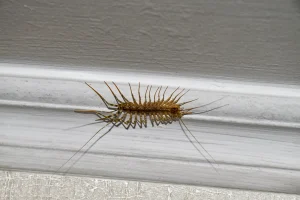
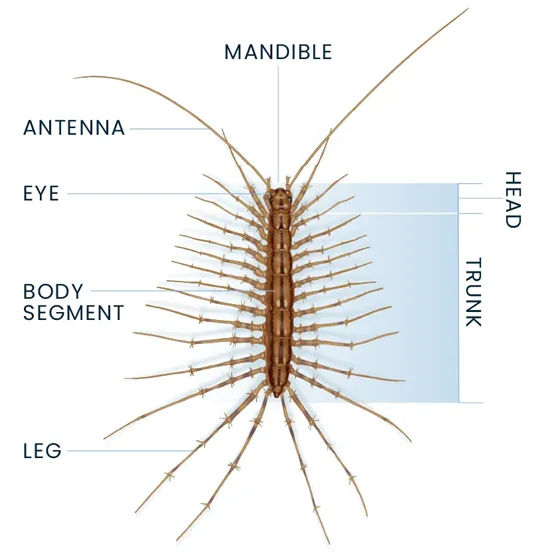
Their bodies are long, flat, and made of segments—kind of like a squishy train. Each segment has one pair of legs, and most species have 15 or more segments. That’s a lot of legs, but not quite 100 like their name suggests.
Centipedes have some serious hunting tools. Up front, they’ve got special claws, called forcipules, that were once legs but evolved into venom-injecting fangs. These claws pack a poisonous punch, helping them take down prey like insects, spiders, and more. At the back, their last pair of legs acts like pincers, grabbing and holding onto dinner while the venom does its job.
Their appearance is also a dead giveaway. Centipedes are usually brown or gray, but their colors and markings can vary. They also have two long, wiggly antennae on their heads, packed with segments that help them sense the world around them.
Fun fact: The biggest centipedes can even hunt bats. Imagine that the next time you see one scuttle across your floor!
Do Centipedes Bite, Sting, Damage Property, or Spread Disease?
Centipedes might look intimidating with all those legs and pincers, but their actual threat to humans is pretty small. Let’s clear up some common concerns:
First, yes, centipedes can “bite,” but it’s not really a bite in the traditional sense. Remember how we said that centipedes have venomous claws, which they use to inject venom into their prey? While this venom works great on insects and small animals, it’s usually not harmful to humans. If a centipede does pinch you, it might feel like a bee sting—mild pain, redness, and swelling. Larger species, like tropical centipedes, might pack a bigger punch, but serious reactions are rare unless you’re allergic.
When it comes to your home, centipedes aren’t looking to cause trouble. They don’t chew on wood, wires, or fabric, so your property is safe from their scuttling feet. In fact, their main goal indoors is hunting other pests like cockroaches, spiders, and silverfish. Think of them as a creepy but natural form of pest control!
As for spreading disease, centipedes are off the hook. They don’t carry germs or pathogens that can infect humans or pets. However, their presence in your home might signal another issue—like a moisture problem or an existing pest infestation that’s drawing them in. So, while they’re not dangerous, they could be a clue that something else needs attention.
Truth be told, centipedes are more of an annoyance than a danger. But if they’re giving you the heebie-jeebies, there are plenty of ways to keep them out of your home for good! We’ll get that in a bit, though. First, let’s learn a little more about how these creepy crawlies live.
Life Cycle of Centipedes
Centipedes live pretty wild lives, right from the start! Let’s look a little closer at how they begin and mature.
First, they begin as tiny eggs laid in hidden, damp spots like soil or under logs. Depending on the species, a mama centipede might stick around to guard her eggs, cleaning them to keep them fungus-free (talk about protective parenting!). Once the eggs hatch, baby centipedes, called nymphs, already look like mini versions of their parents, just with fewer legs.
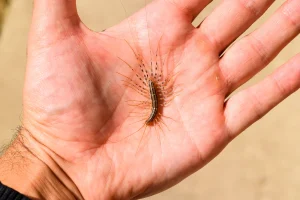
As nymphs grow, they molt—shedding their exoskeletons to make room for new body segments and more legs. By the time they’re adults, centipedes have anywhere from 15 to over 300 legs, depending on the species. They don’t stop there; even as adults, some species keep molting throughout their lives.
Once fully grown, adult centipedes are all about hunting and surviving. They’re fast, sneaky, and incredibly good at what they do. If you’ve ever seen one dart across the floor, you know how speedy they can be!
In the ecosystem, adult centipedes are nature’s pest control team. By munching on insects and other pests, they help keep populations in check, making them an important part of the food chain. They’re also a tasty snack for birds, frogs, and other larger animals.
While centipedes can live for several years, their lives are a constant battle of eat-or-be-eaten. But thanks to their speed, venom, and ability to regrow legs if they lose one, they’ve been thriving for millions of years. So, whether they’re hunting at night or just creeping around your basement, centipedes are the ultimate survivors!
Have a centipede problem that needs fixing?
Centipedes Can Live a Long Life
Centipedes can live surprisingly long lives, often reaching 3 to 7 years. They spend the winter as adults and get busy laying eggs in the spring. Instead of direct mating, males create a sperm packet (called a spermatophore) for females to pick up—sometimes after an elaborate courtship “dance.”
When it’s time to lay eggs, females choose damp, hidden spots and can deposit up to 60 eggs. They’re protective moms, curling their bodies around the eggs to guard them until they hatch. The eggs can take up to three months to hatch, and the tiny centipedes that emerge already look like mini versions of the adults—just with fewer legs. As they grow, they go through several molts, shedding their exoskeletons and adding more legs with each stage.
How Big Do Centipedes Get?
Centipedes come in all sizes, but some of them can grow really big! Most centipedes you’ll encounter in your home or yard are only a few inches long, but some species can grow to impressive lengths. The largest centipede, the Amazonian giant centipede (Scolopendra gigantea), can reach up to 12 inches long—about the length of a ruler! These giant centipedes are found in tropical areas of Central and South America and can even take down large prey like birds and small mammals.
Even though most centipedes in homes aren’t that big, they can still give you a surprise when you spot one zooming across the floor. But don’t worry, their size doesn’t make them dangerous to humans—unless you live in a place where the giant ones hang out!
Mistaken Identities: Too Many Legs Here!
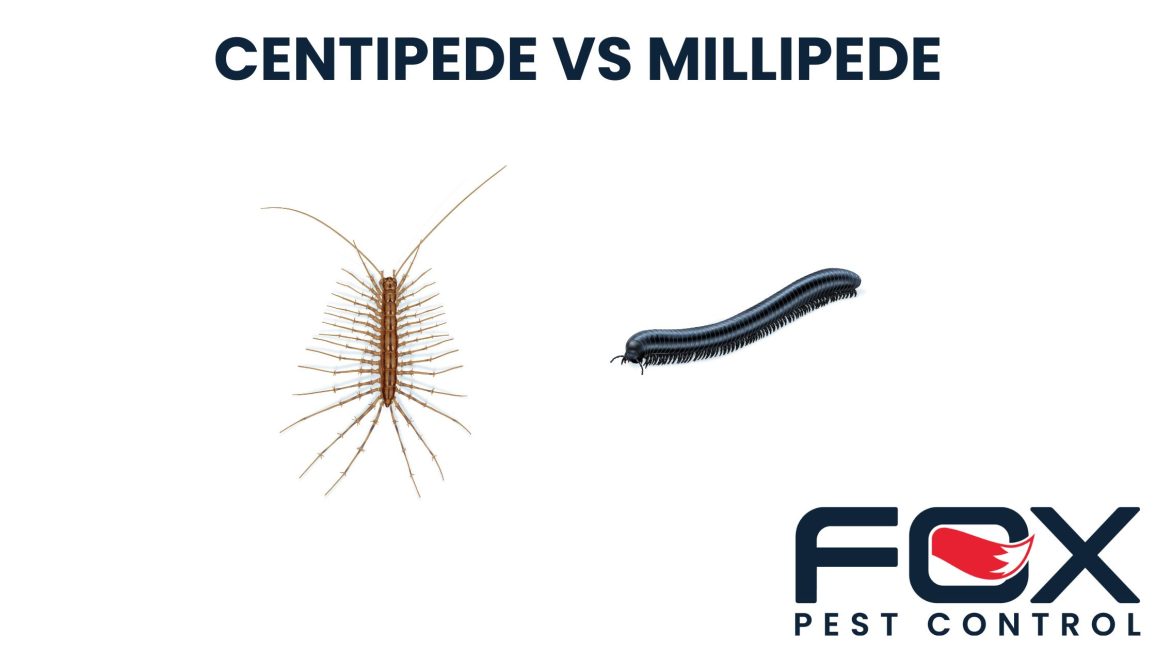
Centipedes and millipedes might look similar at first glance, but they have some key differences that make them easy to tell apart!
- Body Shape and Legs:
- Centipedes have long, flat bodies with one pair of legs per segment, which makes them look a bit more like a squiggly worm.
- Millipedes have more cylindrical bodies and two pairs of legs per segment, so they have a lot more legs overall. In fact, millipedes can have hundreds of legs, while centipedes usually have between 15 and 300.
- Movement:
- Centipedes are fast! They scurry around quickly to hunt for food and avoid predators. Their legs help them move swiftly, with the first pair acting like venomous pincers to capture prey.
- Millipedes are much slower. They move in a more deliberate, almost lumbering way, using their many legs to crawl around in search of decaying plant matter to munch on.
- Diet:
- Centipedes are carnivores, meaning they hunt and eat insects, spiders, and sometimes small animals.
- Millipedes are herbivores, feeding mainly on dead leaves, plants, and decaying organic matter. They play a vital role in recycling nutrients back into the soil.
- Defense:
- Centipedes may bite or sting with their venomous claws, but only if threatened.
- Millipedes don’t bite. Instead, they may curl up into a tight ball to protect themselves or release a foul-smelling liquid to deter predators.
So, while they may both have lots of legs, centipedes and millipedes have different diets, speeds, and ways of defending themselves!
Centipedes in Pop Culture: From Myths to Movies
Because they are such interesting creatures, centipedes have crawled their way into myths, legends, and even Hollywood blockbusters and they’re both feared and revered. In Japanese folklore, the giant centipede Ōmukade is a terrifying monster defeated by a heroic warrior, symbolizing bravery and protection from evil. In some movies and TV shows, centipedes often show up as the ultimate “creepy-crawly” to make audiences squirm. From their appearance in horror films to their role as oversized villains in sci-fi flicks, they’re natural scene-stealers. One of the most famous giant centipedes is featured in King Kong (from 2005), where it’s shown as a terrifying predator in Skull Island’s mysterious ecosystem.
But it’s not all scary stuff! Some cultures view centipedes as symbols of healing and transformation, given their connection to the natural world. They’re even celebrated in art and literature for their unique appearance and behaviors.
Even though centipedes captivate us with their mix of mystery, menace, and usefulness, we definitely don’t want to have them hanging around our homes. We’ll talk in a minute about what you can do to keep them outside where they can be useful. And believe it or not, centipedes can be useful!
Have a centipede problem that needs fixing?
Behavior, Diet, and Living Conditions of Centipedes
Centipedes might give you the creeps, but they’re surprisingly helpful in the wild. These little predators play a big role in keeping ecosystems balanced by controlling populations of insects, spiders, and other small creatures. Think of them as nature’s pest control pros!
The Secret Lives of Centipedes and Their Role in Ecosystems
Centipedes are nocturnal, meaning they’re most active at night. During the day, they hide under rocks, logs, or in the soil, waiting for their next hunting adventure. When night falls, they use their venom-filled claws (forcipules) to paralyze and devour their prey. This not only keeps insect populations in check but also prevents the spread of pests that could harm plants or even humans.
While they might seem like loners, centipedes have fascinating behaviors. For example, some species are fiercely protective of their eggs, guarding them against predators and even cleaning them to prevent mold. And although they’re solitary hunters, centipedes are an essential part of the food chain, serving as prey for birds, reptiles, and small mammals. In short, they’re tiny but mighty when it comes to keeping nature in harmony.
Centipedes are nocturnal hunters, preferring to come out at night when their prey is most active. They thrive in damp, dark places like basements, bathrooms, and crawl spaces. Their segmented bodies and numerous legs allow them to navigate tight spaces with ease.
Where Do Centipedes Live?
Centipedes are all about staying cool, damp, and hidden—that’s why you’ll often find them in dark, moist places where they can stay safe and hunt for prey. Outdoors, they hide under rocks, logs, leaf piles, or in soil. These spots offer protection from predators and keep their delicate bodies from drying out, which is super important since centipedes don’t have waxy exoskeletons like some other insects.
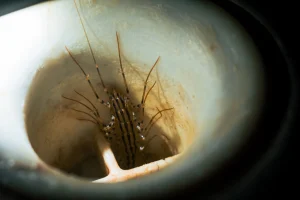
Indoors, centipedes gravitate toward basements, bathrooms, crawl spaces, and other damp, dark areas. They’ll also tuck themselves into cracks in walls, under cardboard boxes, or along baseboards where it’s cool and safe. Essentially, any place that offers moisture and shelter can be a potential centipede hangout.
Because centipedes are nocturnal, their hiding spots also help them avoid too much light during the day. This keeps them protected while they rest and gear up for nighttime hunting.
The reason centipedes thrive in these areas is all about survival. They need moisture to keep their bodies from drying out, hiding places to avoid predators, and access to their favorite meals—like spiders, insects, and other small arthropods. If they wander into your home, it’s likely because they’ve found the perfect combination of shelter, moisture, and food.
How Do Centipedes Communicate?
Centipedes aren’t big talkers, but they do have some clever ways of communicating! Unlike humans or even some animals, centipedes don’t use sounds or visual signals. Instead, they rely on chemical and tactile (touch-based) communication to interact with each other and their environment.
- Chemical Communication: Centipedes can release pheromones—special chemicals that send messages to other centipedes. These pheromones help them during mating, guiding a potential partner to the right spot. For example, male centipedes often perform courtship dances, laying down chemical trails to attract females and encourage them to pick up their spermatophore (a packet of sperm).
- Tactile Signals: Touch plays a big role in how centipedes interact, especially during courtship. Males may tap or nudge females with their antennae as part of their mating ritual. Their highly sensitive antennae, which are packed with sensory cells, also help them detect vibrations, obstacles, and other creatures nearby, essentially “communicating” information about their surroundings.
- Defensive Behaviors: When threatened, centipedes may communicate danger to others indirectly. For instance, they can release chemicals to deter predators, which could serve as a warning to nearby centipedes. However, they don’t work together or form groups like some insects do.
What Do Centipedes Eat and How Do They Get Their Food?
Centipedes are carnivorous hunters with a taste for all things cringy and crawly. Their diet mainly consists of insects, spiders, and other small critters. Some larger species can take down surprisingly big prey, like small animals like frogs or mice, or like we mentioned earlier, even bats!
Centipedes are active hunters, using their speed and venomous claws (forcipules) to catch and immobilize their prey. The venom helps them kill or paralyze their meal quickly, making it easier to eat. These nocturnal predators paralyze prey like insects, spiders, and even small rodents if they’re a larger species.
Signs of a Centipede Infestation
Okay, so now you know a little more about centipedes, and you’ve seen a few of them around the house. Wondering if you’ve got a centipede problem? Look for these signs:
- Spotting Centipedes: We’ve talked a lot about how centipedes are most active at night. Frequent sightings in your home might mean you have an infestation—or it could be a sign of another pest problem, as centipedes often follow their food.
- Attracted to Moisture: Centipedes love damp, humid places. Areas with water leaks or high humidity in your home can create a perfect hangout for them. Outside, you might find them hiding under loose bark, stones, or in piles of leaves and grass clippings.
- Drawn by Other Pests: Since centipedes feed on insects, spiders, and other small arthropods, having a lot of pests in your home can attract them. If you see centipedes, it might be because they’re hunting for their next meal.
- Musty Odor: In some cases, a centipede infestation can cause a musty, unpleasant smell due to their secretions. If you notice this, it might be worth investigating further.
Have a centipede problem that needs fixing?
What You Can Do About Centipedes
So, you saw the signs, and you know you’ve got centipedes. Or, you don’t see any signs but want to make sure you don’t have a neon sign advertising a vacancy for them to move in. Getting rid of centipedes in your home requires a combination of prevention, removal, and creating an environment that makes your house less attractive to them. Here are some tips to help make your home less inviting to these pesky insects.
Centipedes love dark, cluttered spaces, so start by tackling their favorite hiding spots. Clear out basements, closets, and the areas under sinks, and swap out cardboard boxes for sealed plastic bins. Not only does this cut down on their hiding places, but it also keeps your stuff safe from other pests. While you’re at it, address any moisture issues—centipedes thrive in damp areas. Use a dehumidifier in the basement, fix those leaky pipes, and make sure bathrooms and kitchens have proper ventilation.
To keep them from sneaking in, seal up cracks and gaps around windows, doors, and foundation walls with caulk or weatherstripping. Cutting off their food source is just as important; since centipedes feast on pests like spiders, ants, and cockroaches, getting rid of those pests can help starve them out. Finally, vacuum regularly, paying close attention to corners, baseboards, and under furniture. This not only clears out centipedes but also their eggs and any other bugs that might be hanging around.
How Do I Get Rid of Centipedes?
What if you’ve done all these things and you still have a centipede problem? That’s when it’s time to call Fox Pest Control. We know all about centipedes and what to do to get rid of them. When you combine the tips above with our Home Protection Plan, you get year-round protection from centipedes and many other common household pests. We’ll help you spot entrance points, unsealed areas, and potential issues causing the infestation. Our products form a barrier around your home, keeping pests like centipedes from crawling in. We make sure our technicians get regular, on-the-ground training and know how to provide centipede pest control. You can count on Fox to give you peace of mind and help you feel comfortable and safe in your home. Give us a call today!