Free Inspections & EstimatesSame Day Service
Terminate those termites.
Feel comfortable in your home. Let Fox Pest Control take care of your termite problem.
Prompt Service
Free Phone Quote
Satisfaction Guaranteed

To ensure our customers’ safety, all Fox Pest Control technicians undergo a thorough screening process and complete extensive classroom training, along with ongoing on-the-job mentoring with an experienced technician.

Did you know termites cause about $5 billion in property damage each year? These destructive little pests can form huge colonies and can do some serious harm to your home. If you spot them, it’s time for termite treatment—fast! Even if you don’t see them, it’s a good idea to get an inspection to make sure your home is protected. There are different types of termites that could be sneaking around, and getting rid of them takes some expertise. That’s where the pros at Fox Pest Control come in. We’ll take care of everything so you can relax knowing your home and family are safe!
Call Fox Pest Control today for a free inspection: (855) 953-1976.
Call before 2 pm and get same-day service.
Remote locations and other conditions may require next-day service.
A certified technician will inspect your property and provide customized pest control treatment based on their findings.
Each service provides a detailed report and helpful tips to keep pests away. We return regularly throughout the year, increasing protection with every visit.
Everything you never wanted to know about termites.

Hamilton Allen Ph.D., BCE
Certified Entomologist, Fox Pest Control
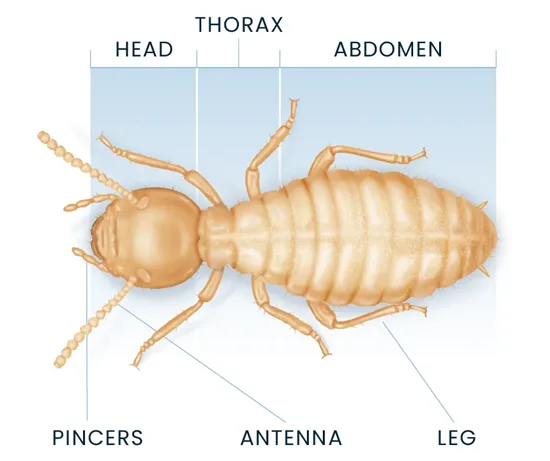
Size: ⅛ to 1-inch
Number of legs: 6
Wings: yes
Bites or stings: no
Color: red, black, brown, light yellow, tan, or white
Carry disease: no
Damages home/yard: yes
Most active season: spring & summer
Fox plan for this pest: Termite Defense Plan


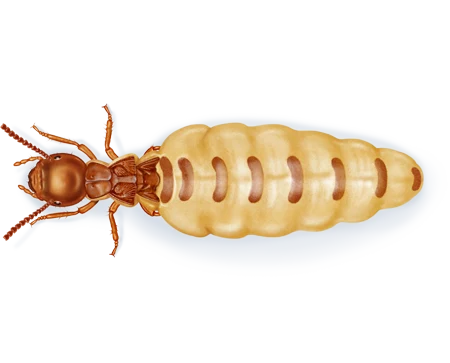
Queen Termite

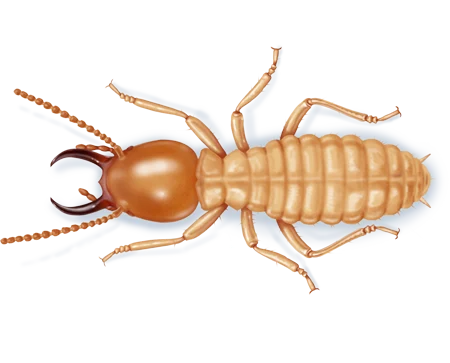
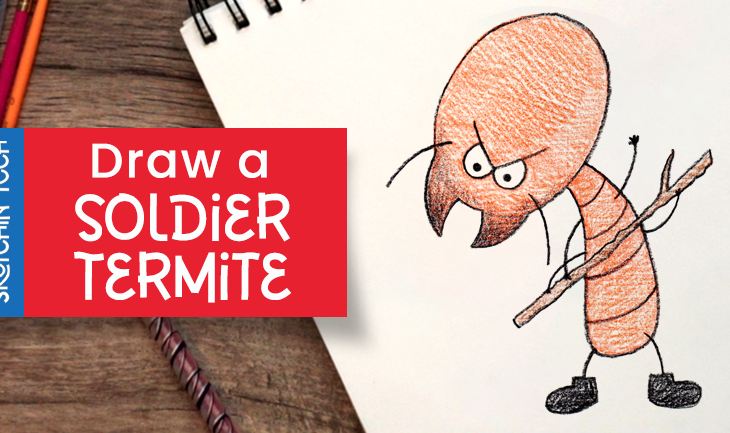
Soldier Termite

Subterranean Termite

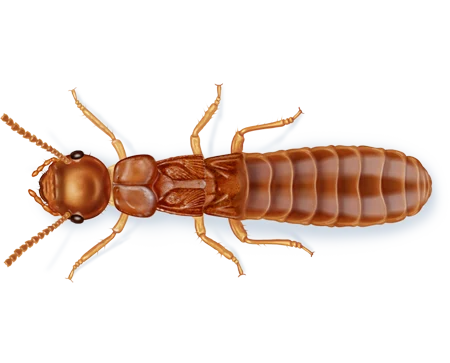
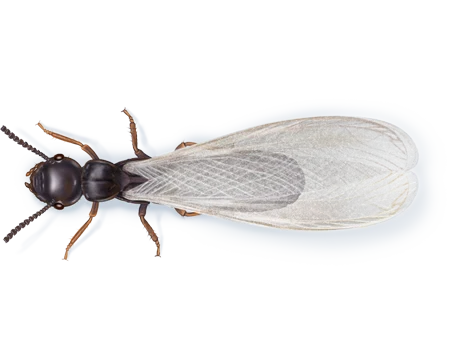
Winged Termite

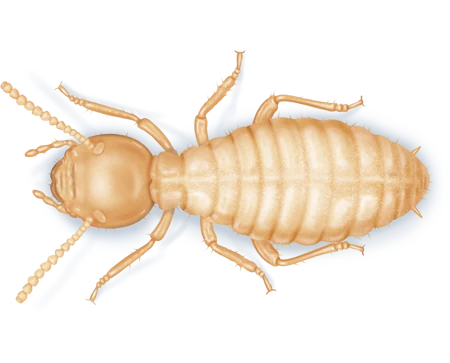
Worker Termite
Had it with termites?
Call now and get $50 off pest control.
Call before 2pm and get same-day service.
However, there are a few that are common in the U.S. and pose the largest threat to homeowners:
Some species are capable of living for several decades or even longer. The longevity of a colony depends on factors such as environmental conditions, food availability, and the presence of predators or competitors.
Castes are separated by duties and appearance and may differ between species.
The largest termite colony ever recorded had over three million individual termites! Termite colonies can occupy large underground galleries, often extending several feet below the surface and spreading out horizontally to forage for food and expand the colony. The vast number of termites within a colony makes them formidable and persistent pests when they infest human-made structures.
Discover more about these destructive pests by visiting our Termites Pest Files—an informative guide that covers their biology, signs of infestation, and the best approaches for long-term protection.
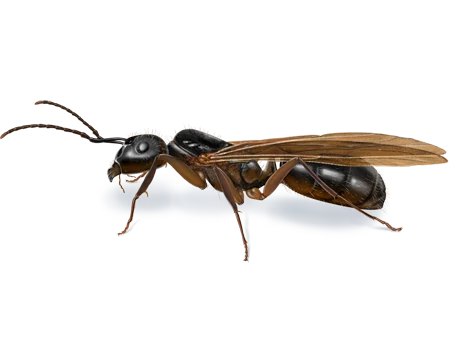
People often mistake ants for termites, especially during swarming season when both insects produce winged reproductive individuals known as swarmers or alates.

Flying Ant

Alate Termite
You might already know for sure that you have an termite problem. Here are a couple of the most common signs of termite infestation.
Subterranean termites build mud tubes along walls, foundations, or other surfaces to provide moisture and protection as they travel between their nest and food sources.
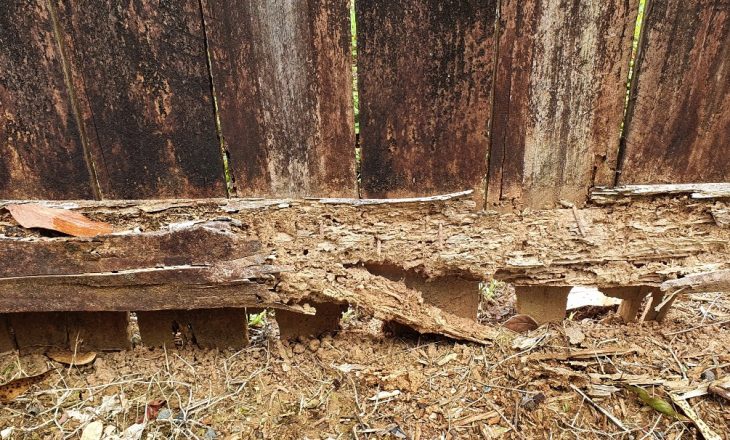
Termites feed on wood from the inside out, leaving behind signs of damaged wood. Look for areas of wood that have a blistered or darkened appearance. When tapping on wooden surfaces, such as walls or furniture, a hollow sound may indicate termite damage.
Winged reproductive termites, known as swarmers may appear from the termite colony in large numbers, especially during the spring months. Finding discarded wings near windowsills, doorways, or light sources could indicate a nearby termite colony.
Drywood termites produce small, oval-shaped pellets called frass. Accumulations of drywood frass near wooden structures or in areas where drywood termites are active can indicate an infestation.
Termite damage can cause structural changes, leading to doors and windows that no longer open or close properly due to warping or swelling of the wood.
Subterranean termites will tunnel through painted surfaces, causing paint to bubble, peel, or appear uneven.
Extensive termite damage can weaken wooden support structures, leading to sagging floors, ceilings, or visible signs of damage in crawl spaces or attics.
Seal entry points
Repair damaged or damp wood
Fix water leaks
Keep wood piles away from house
Trim vegetation
4.72 Average | 45,000+ Reviews
We’re so sure you’ll love our service, we guarantee it. If you spot any pests included in your plan, just give us a call. We’ll come back until the pests don’t.
Send us a message using the form below, or just give us a call at (855) 953-1976.