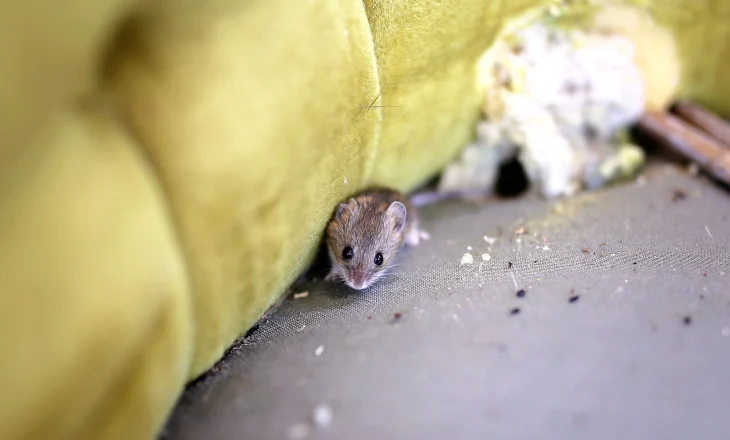
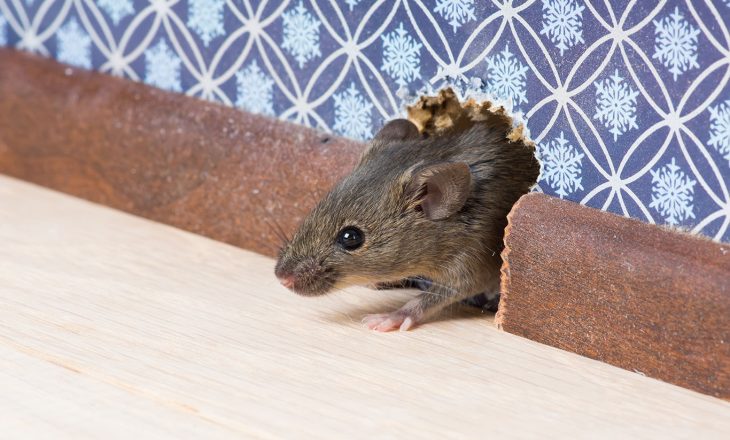
Welcome to Fox Pest Control’s ultimate guide on mice! Mice are tiny, curious creatures that have been living near humans for centuries. They’re fast, sneaky, and pretty fascinating when you take a closer look. Check out our website to learn more about our mouse pest control solutions. Let’s dive into some fun facts about these little guys!
What Do Mice Look Like?
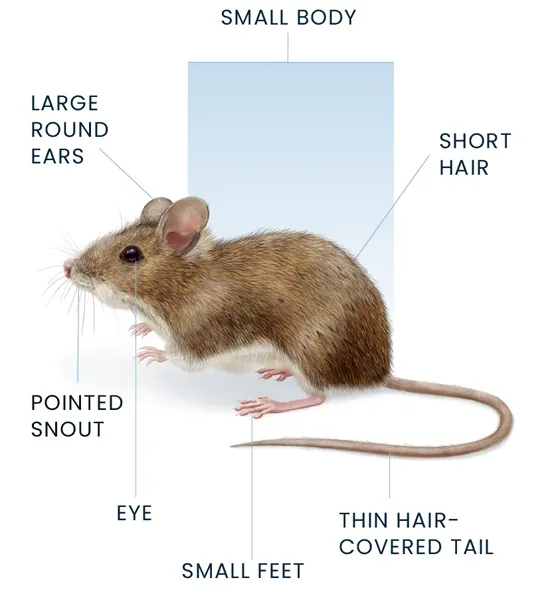

Deer Mouse

Field Mouse
How Many Mice Are There in the World?!
Believe it or not, there are billions of mice worldwide! They’re everywhere, from quiet fields to bustling cities. If there’s food and shelter, mice will move in and make themselves at home.
Mice are sneakier houseguests than you might think! According to the 2019 American Housing Survey, almost15 million U.S. homes report spotting a mouse or rat each year. That’s about 12% of households dealing with these furry intruders. And every winter, around 21 million homes get invaded by mice looking for a cozy place to crash. Talk about unwelcome winter guests!
These numbers show how common it is to share your space with these tiny troublemakers, especially when the weather gets cold. So, if you think you’re alone in dealing with a mouse problem, don’t worry—you’ve got plenty of company!
Mice Have Been Around for a Really, Really Long Time…
Mice have been scurrying around for a mind-boggling 3 to 4 million years! Fossil records show that these little survivors originated in Asia, but over time, they’ve spread to just about every corner of the planet, except Antarctica. Talk about world travelers!
Their global takeover began as humans started exploring and trading. Mice hitched rides on ships, caravans, and wagons, taking full advantage of humanity’s expanding reach. Wherever we went, mice followed, often unintentionally tucked away in cargo, supplies, or food stores.
Why Are Mice So Successful at Spreading?

Mice are tiny but mighty when it comes to survival and spreading. Their ability to adapt to almost any environment, find food in the most unlikely places, and reproduce quickly makes them one of the most successful pests in the world. But what exactly gives mice the upper hand in taking over homes and businesses? Let’s break it down.
- Adaptability: Mice can thrive in almost any environment, from dense forests to urban apartments. They’re natural-born survivors.
- Reproductive Speed: One female mouse can produce up to 10 litters a year, with an average of 6–8 pups per litter. That’s a lot of mice in a short time! (We’ll go more into this in a minute.)
- Opportunistic Diets: Mice eat almost anything, making it easy for them to find food wherever they end up.
- Curiosity and Agility: Mice are curious critters and excellent climbers, jumpers, and chewers. These skills help them explore and settle into new environments.
Do Mice Bite, Sting, Damage Property, or Spread Disease?
For such little critters, mice sure know how to cause some big headaches! Here’s the lowdown on what they can do:

- Biting: It’s pretty rare, but mice might bite if they’re feeling scared and trapped. Don’t panic—most bites are harmless, but it’s a good idea to wash it up and maybe check with a doctor just to play it safe.
- Stinging: Nope, no stingers here! Mice might be a pain, but they don’t pack a punch like bees or wasps.
- Property Damage: If chewing were an Olympic sport, mice would take the gold! They’ll gnaw through wires (hello, fire hazard!), wood, walls, and even your favorite stuffed animal. Those little teeth never stop growing, so they’ve got to chew all the time—and your house is their perfect chew toy.
- Spreading Disease: Here’s where things get a bit gross. Mice aren’t just a nuisance—they can carry harmful germs that can make you seriously sick. And it’s not just their bites you need to worry about! They spread diseases like hantavirus, salmonella, and leptospirosis through their droppings, urine, and saliva. Yikes, right?
Even though you might not always see mice, their mess can still cause problems. When they leave droppings around or get urine on your food or kitchen surfaces, those germs can hang around for days (or even longer). If you’re not careful and touch something contaminated without washing your hands, you could end up getting sick. And that’s not something anyone wants!
The real kicker? Mice can even spread diseases through their saliva when they chew on things like food packages or your countertops. If you end up eating something that’s been touched by their saliva or waste, you could get a nasty infection. And just to add to the fun, their droppings can trigger allergies or asthma, especially in kids.
So, while mice might look cute scurrying around, the truth is—they’re like little mobile germ factories. If they’ve moved in, it’s time to show them the door—fast!
Have a mouse problem that needs fixing?
Life Cycle of Mice
Alright, let’s take a deep dive into a mouse’s life cycle, and trust me, it’s a wild ride!

- Gestation (Baby Time): The mouse story starts with a pregnant female. After mating, she’s off to the races, and her gestation period (that’s the time she’s pregnant) only lasts about 19 to 21 days! Yep, you read that right—just over two weeks! So, in no time, she’s ready to give birth.
- Baby Mice (The Cutest Phase… Kinda): A mama mouse can have anywhere from 4 to 12 babies, called pups, in one go. These little guys are born tiny, blind, and hairless, but they grow fast. Like, super fast. Within a few days, their fur starts to grow, and by the time they’re about 10 days old, their eyes open up.
- Growing Up Fast (The Teenage Years): Now that the pups can see, they start exploring their world (and probably getting into trouble). By around 3 weeks old, they’re weaning off their mama and eating solid food. But here’s the crazy part—these little furballs can start reproducing by just 5 or 6 weeks old! That’s right—before they even reach adulthood, they can start making more little mice.
- Adulthood (The Cycle Continues): Once they hit about 2 months old, they’re fully grown and ready to join the adult mouse club. Mice don’t waste any time! They’re out there searching for food, finding mates, and starting the whole process over again.
How Fast Can This Happen? In the perfect environment (like a nice cozy house), a female mouse can have up to 10 litters of pups in a single year! That’s a lot of mice in a short amount of time. And since mice only live for about 1 to 2 years, it’s no wonder they’re always breeding like crazy—so their population can grow in no time!
A mouse’s life is short, but they sure know how to keep the cycle going. They reproduce fast, grow up even faster, and can have a big impact if they’re not kept in check. Time to keep those mice out before you’ve got a whole family of them on your hands!
The Mouse Hierarchy
Mice may seem like loners when you spot one darting across the floor, but they’re actually super social creatures that thrive in groups. Their little communities are surprisingly organized, with clear roles and a pecking order to keep things running smoothly.
The Boss Mouse: Every mouse group has a dominant male who calls the shots. He’s usually the biggest and strongest, and he gets first dibs on food, mates, and territory.

The Ladies: Female mice in the group typically share the workload, like foraging for food and taking care of the young. They’re also a big part of keeping the group connected.
The Outsiders: Lower-ranking males either accept their spot at the bottom or get kicked out to find their own territory.
Mice are all about collaboration. They work together to find food, build nests, and raise their young. Female mice even help each other care for pups, creating a kind of mouse daycare.
This social structure helps mice survive. Working as a team means they can share resources, defend against predators, and thrive in almost any environment. Unfortunately for homeowners, it also means they’re pretty good at building colonies and sticking around!
Understanding their social lives gives you a peek into how they operate—and why you rarely just have “one little mouse” in your house.
The Roles of Adult Mice
Adult mice have a lot going on and keep themselves busy with some important jobs. Let’s take a look:
- Foraging: Mice are like the ultimate snack hunters. They’re always out and about looking for food to bring back to their nests. Whether it’s crumbs, seeds, or even bits of garbage, nothing is safe from their sharp little teeth. They have an excellent sense of smell and can sniff out food from far away, which makes them really good at finding hidden sources of food in your pantry or even behind your walls. And since they’re so small, they can squeeze into places you might not even think about, like under appliances or inside food packages.
- Breeding: Mice don’t waste any time when it comes to starting their families. Remember how we said they can start breeding as early as 5 to 6 weeks old? That’s why their populations can grow so fast. Because a female mouse can have up to 10 litters a year, and each litter can have between 4 and 12 pups. One mouse couple could lead to hundreds of mice in a matter of months! This constant breeding cycle is a big part of why mice are so successful at taking over new spaces.
- Nesting: Mice are expert nest builders. They’ll use just about anything they can find—like shredded paper, fabric, insulation, or even bits of your furniture—to make a cozy, warm home for their babies. They prefer quiet, hidden spots, like inside walls, attics, or basements, where they can keep out of sight and feel safe. These nests are also key to keeping their pups warm and protected until they’re old enough to venture out on their own.
Together, these roles keep mice thriving in almost any environment. They’re always on the hunt for food, reproducing like crazy, and building safe spaces to raise their young. And the best part (for them)? They do it all quietly in the background—until, of course, they start making their presence known!
Mistaken Identities: Mice and Their Furry Lookalikes
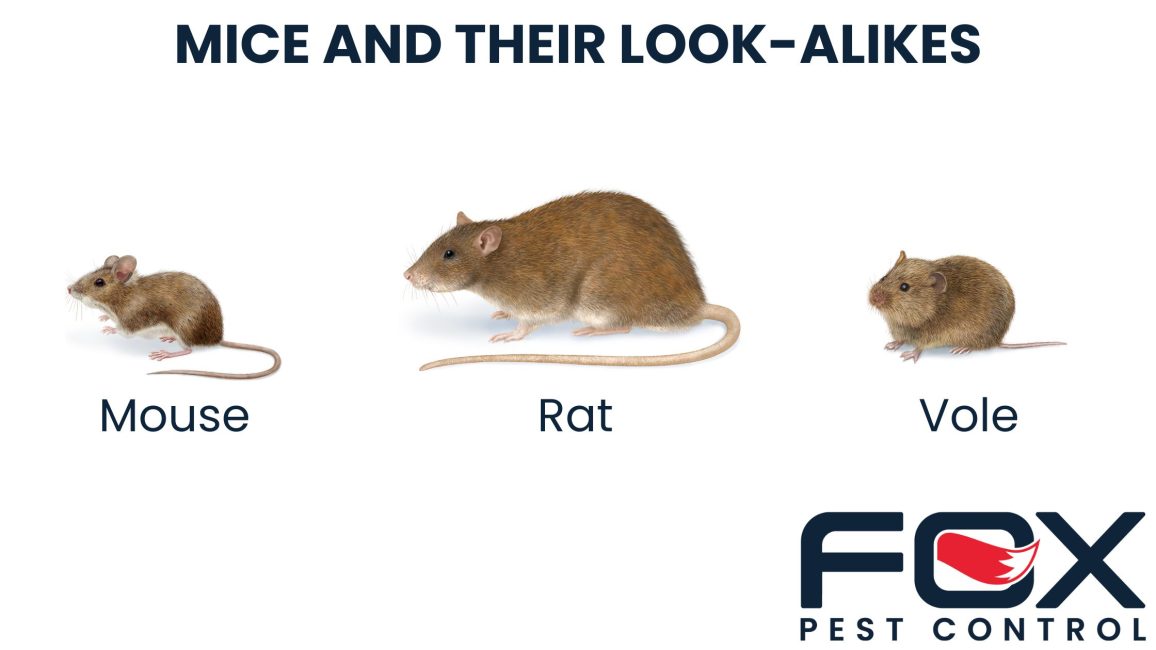
Ever confuse a mouse with a rat or a vole? You’re not alone—they look pretty similar at first glance. Here’s how to tell them apart:
Size:
- Mice are small, about 2.5 to 4 inches long (not including the tail).
- Rats are much larger, growing up to 9 inches or more, while voles are similar in size to mice but look stockier.
Tail:
Mice have long, thin, slightly hairy tails.
- Rats have thick, scaly, hairless tails, and voles have short, stubby, furry tails.
- Nose: Mice have cute, pointy noses, while rats have blunter, wider noses. Voles, on the other hand, have rounded faces with shorter snouts.
Ears:
- Mice sport large, rounded ears compared to their head size.
- Rats’ ears are smaller and proportional to their larger heads, while voles’ ears are smaller and less noticeable, often hidden by fur.
Body Shape:
- Mice are slender with long tails and legs.
- Rats are larger and bulkier, while voles are short and compact with stubby legs.
Behavior:
- Mice are curious and love to explore new things, making them easier to trap.
- Rats are cautious and avoid unfamiliar objects. Voles stick to outdoor areas like fields and gardens and rarely venture indoors.
Diet:
- Mice and rats are omnivores, eating anything from seeds to crumbs.
- Voles are herbivores, munching on grass, roots, and plants.
Habitat:
- Mice prefer indoor spaces or places with easy access to food.
- Rats thrive both indoors and outdoors, while voles stick to fields, gardens, and areas with vegetation.
By focusing on these traits, you’ll have a much easier time figuring out which furry troublemaker is invading your space—and the right way to deal with them!
Have a mouse problem that needs fixing?
Behavior, Diet, and Living Conditions of Mice
Mice may be small, but their behavior is surprisingly complex and fascinating. Understanding what makes these tiny critters act the way they do can help you spot an infestation and take the right steps to get rid of them. Here are some important insights into mouse behavior:

- They’re nocturnal, meaning they’re most active at night. They prefer to do their exploring, foraging, and nesting while the house is quiet and dark. If you hear scratching or squeaking sounds in the walls or ceilings at night, it’s likely a mouse on the move.
- They’re naturally curious and cautious, and they’ll explore new spaces and objects, often sniffing out opportunities for food or shelter. However, they’re also cautious creatures and will approach new things (like traps) carefully until they feel it’s safe.
- Their teeth never stop growing…so they’re always gnawing on things to keep them worn down. This chewing habit is a big reason why mice are so destructive—they’ll nibble on wires, wood, plastic, and just about anything else they can sink their teeth into.
- They’re masters of hide-and-seek. Mice are experts at staying out of sight. They’re small and flexible, capable of squeezing through openings as tiny as a dime. They’ll hide in walls, attics, basements, and even behind appliances, making them hard to spot unless you’re actively looking.
- They’re sneaky travelers, agile and resourceful. They can run up walls, climb cables, and even jump short distances. This means they can get almost anywhere in your home, from the highest shelves to the tiniest cracks.
- They are constantly on alert for danger. Their predators include cats, owls, snakes, and even humans, so they’ve developed sharp senses to stay safe. They rely on their sense of smell, hearing, and touch to navigate the world and avoid threats.
When you understand mouse behavior, you can outsmart them and take steps to protect your home from their sneaky ways. We’ll get more into that in a minute.
Nesting Habits of Mice
Mice are like the interior designers of the rodent world, creating cozy, well-hidden nests to keep themselves and their families safe and warm. Their nests aren’t just thrown together—they’re carefully crafted using whatever soft materials they can find. Think shredded paper, fabric scraps, insulation, bits of cardboard, or even stuffing from furniture or pillows. If it’s soft and easy to chew, it’s fair game for nest-building!
Mice are strategic about where they set up their nests. They prefer dark, quiet spaces that are out of sight and close to food and water sources. Common nesting spots include:

- Inside walls: They’ll use tiny cracks or holes to sneak into the walls, where they’re protected and out of reach.
- Attics: Warm and rarely disturbed, attics are like a five-star hotel for mice.
- Basements: With plenty of hiding spots and clutter, basements make excellent nesting grounds.
- Behind appliances: Stoves, refrigerators, and washing machines provide warmth and protection, making them prime locations.
- Storage areas: Boxes, old furniture, and cluttered corners are perfect for building nests in peace.
Remember, mice aren’t just building for themselves—they’re creating a safe space to raise their babies. Female mice will often build multiple nests in their territory so they can move their pups if they feel threatened. These nests can house several mice at a time, making them the epicenter of mouse activity in your home.
The trouble with these nests? They don’t just provide shelter for mice—they also trap their droppings, urine, and food scraps, creating a breeding ground for bacteria, unpleasant odors, and even fire hazards if they’re near wires. Spotting a nest is a clear sign of an infestation, so if you find one, it’s time to take action to evict those tiny home designers for good!
How Do Mice Dommunicate?
Mice are chatterboxes—you just can’t hear most of it! They may not be writing letters or sending texts, but they have their own unique way of keeping in touch with each other. These little chatterboxes are constantly communicating, even if we can’t always hear or see it.

- High-Pitched Squeaks: Mice are vocal, but most of their sounds are so high-pitched that humans can’t hear them. These ultrasonic squeaks are used for everything from wooing a mate to warning others about danger. Baby mice even use special squeaks to call for their moms when they’re hungry or cold—kind of like a mouse version of crying!
- Body Language: Mice are great at non-verbal communication. They’ll use tail movements, posture, and even how they position their ears to signal things like aggression, submission, or curiosity.
- Pheromones: Pheromones are like secret chemical messages that mice send through their urine, droppings, or scent glands. These invisible signals act as a hidden code, relaying important alerts and messages to other mice about everything from territory to mating.
- Droppings: As mice scurry around, they leave droppings behind—not just as waste, but as tiny information packets for other mice. These droppings can convey useful details like territory boundaries, the location of food sources, and even signals about health or potential mates.
- Whisker Touches: Mice use their super-sensitive whiskers to explore their surroundings and interact with each other. When mice touch whiskers, it’s like a friendly handshake—or sometimes a power move to figure out who’s in charge.
Communication is key to survival for mice. Remember how we said mice are very social creatures? Whether they’re warning about a nearby predator, bonding with family, or sorting out who gets the best spot in the nest, their chatter keeps the group connected and working as a team.
What Do Mice Eat?
Mice may be small, but they’ve got big appetites—and they’re not picky! They’ll eat just about anything they can get their tiny paws on. Here are a few of their favorite snacks:

- Seeds and Grains: Mice love seeds, grains, and cereals. They’re perfect for nibbling on, and they’re easy to find in your pantry or garden.
- Fruits and Veggies: Mice enjoy a healthy bite of fruits like apples and berries, or veggies like carrots and leafy greens.
- Insects: Mice are omnivores, so they’ll munch on insects when they need a protein boost. It’s not their first choice, but they’ll eat it if it’s available.
- Human Food: Mice are expert scavengers. Crumbs on the floor, leftovers in the kitchen, and even pet food are all up for grabs. They’ll happily raid your pantry or sneak a bite of your sandwich if you leave it unattended!
Mice are incredibly resourceful when it comes to finding food, even if it’s well-hidden. Their sharp sense of smell allows them to sniff out crumbs or leftovers from a distance, and their excellent memory helps them remember where they’ve found food before, so they often revisit the same spots. With their impressive climbing and jumping skills, mice can scale walls, leap onto countertops, and navigate tricky areas to reach their next meal. Plus, they can squeeze through cracks or holes as small as a dime, making it easy for them to access almost any space. Whether sneaking into your pantry or foraging around the kitchen, if there’s food to be found, mice will find it!
Have a mouse problem that needs fixing?
Signs of a Mouse Infestation
Think you might have mice that have moved in? These critters might be small, but they leave behind plenty of clues that they’ve moved in. If you’re wondering whether you have a mouse problem, here are the key signs to watch for:

- Droppings: One of the most common indicators of mice is their droppings. These tiny, dark, pellet-shaped pieces are often found near food sources, in cupboards, or tucked away in hidden corners. If you spot droppings, it’s a sure sign that mice have been active nearby.
- Gnaw Marks: Mice love to chew—it keeps their ever-growing teeth in check. Look for signs of gnawing on wires, furniture, baseboards, or even walls. Fresh chew marks will appear lighter in color and darken over time.
- Nests: Mice build cozy nests using shredded paper, fabric, or other soft materials. You’re most likely to find these hidden in quiet, undisturbed spots like behind appliances, in wall voids, or under furniture.
- Noises: Because mice are nocturnal, you might hear them most often at night. Listen for faint scratching, squeaking, or scurrying sounds coming from walls, ceilings, or attics.
- Footprints: In dusty or unused areas, you might notice tiny footprints or tail drag marks. A light dusting of flour or powder can help confirm their presence if you’re not sure.
Mice are sneaky little houseguests that can quickly turn into a big problem if left unchecked. The sooner you spot the signs, the faster you can act to evict them. Remember, they might look cute in cartoons, but in real life, they’re destructive and unsanitary houseguests you don’t want to hang around!
What You Can Do About Mice
Nobody wants uninvited furry guests, so keeping mice out of your home is all about making it less welcoming to them. Here’s what you can do:

- Seal Up Entry Points: Mice are escape artists when it comes to squeezing through tiny spaces. Check your home for cracks, gaps, or holes—if it’s as small as a dime, they can probably fit through! Seal up those spots with caulk, steel wool, or hardware cloth. Don’t forget to look around pipes, vents, and other sneaky entryways—they love those shortcuts!
- Keep Things Clean: Mice aren’t picky eaters, so keeping your home clean is a must. Store food in airtight containers (yes, even pet food!), wipe up crumbs, and sweep the floors regularly. Take out the trash often, and make sure your outdoor bins have tight lids—mice aren’t above dumpster diving for a snack.
- Eliminate Hiding Spots: Clutter is like a welcome mat for mice. Clear out piles of cardboard, paper, or fabric—those are prime nesting materials. Keep storage areas like basements and attics tidy, and outside, move firewood, brush, and debris at least 20 feet from your house. The less cozy it is, the less likely they’ll stick around.
- Don’t Make Water Easy to Find: Mice need water just as much as food, so fix those leaky faucets and pipes ASAP. Don’t leave pet water dishes out overnight, and make sure there aren’t any puddles or drips in your home that mice could use for a drink.
By sealing off entryways, keeping food and water sources out of reach, and clearing out clutter, you’ll make your home way less appealing to mice. And if they’ve already moved in, these steps will help you send them packing! Paired with our Home Protection Plan, it’s like hitting a home run—your house will be protected from mice trying to move in or stick around.
How Do I Get Rid of Mice?
What if you’ve done all these things and you still have a mouse problem? That’s when it’s time to call Fox Pest Control. We know all about mice and what to do to get rid of them. When you combine the tips above with our Home Protection Plan , you get year-round protection from mice and many other common household pests. We’ll help you spot entrance points, unsealed areas, and potential issues causing the infestation. Our mice exterminators get regular, on-the-ground training and know how to deal with your mice problem. You can count on Fox to give you peace of mind and help you feel comfortable and safe in your home. Give us a call today!