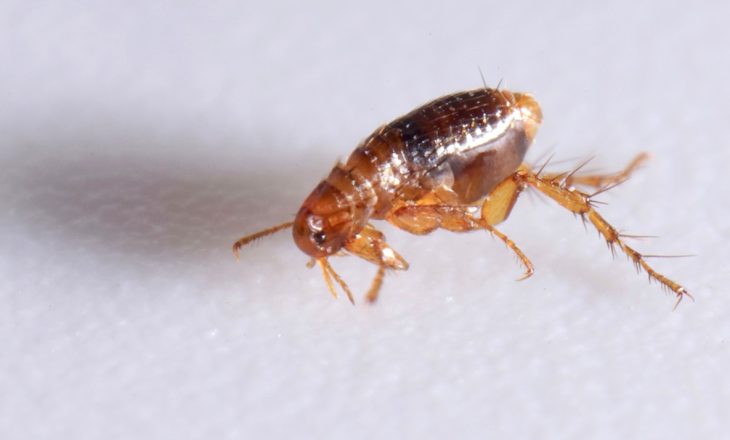
Fleas might be tiny, but they’re a big deal! These pesky parasites are like the uninvited guests who refuse to leave. They’re bloodsucking hitchhikers that bother pets, people, and even wildlife. In this article, we’re diving into the wild world of fleas—what they are, how they live, and why they’re so good at driving us crazy. Plus, we’ll share some fun facts and flea pest control techniques.
What Do Fleas Look Like?
What Are Fleas?
Fleas are tiny, sneaky insects that are only 1-3 millimeters long—about the size of a sesame seed. Even though they’re small, these pests pack a punch! They belong to the scientific order Siphonaptera, which means “wingless tube” in Greek, a nod to their lack of wings and bloodsucking habits. While they can’t fly, for their size, fleas are incredible athletes. They can leap up to 7 inches high and 13 inches long. To put that in perspective, that’s like you jumping over a school bus. Imagine the gold medals they’d win in a flea Olympics!
Ready for another cool (or creepy) fact? Fleas are covered in tiny spines and hairs that point backward, which help them cling tightly to their host as they move around. It’s like having Velcro built into their bodies!
How Long Have Fleas Been Around?
Fleas are true prehistoric survivors, dating back over 100 million years—yes, they were snacking on dinosaurs before pets or humans were even a thing! (Okay, we don’t really know that, but it’s funny to imagine!) With over 2,500 species worldwide, these adaptable pests have evolved to thrive on all kinds of hosts, from wild rodents and birds to our four-legged best friends. While some fleas prefer specific animals, others, like the cat flea, aren’t picky and will happily feed on any warm-blooded creature—including us. Their resilience and adaptability are what make them such a persistent nuisance!
Whether you find them fascinating or just plain gross, fleas are undeniably impressive little critters. But when they show up in your home, it’s time to take action!
What Do Fleas Look Like?
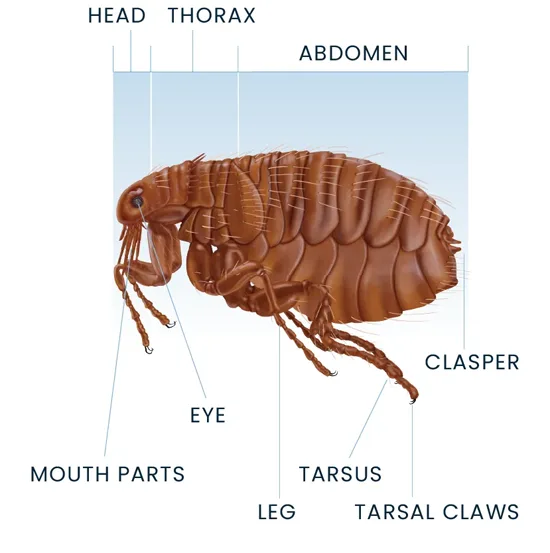
Fleas have flat, narrow bodies that make it easy for them to shimmy through fur, feathers, or carpet fibers without getting squished. These critters are dark brown to reddish-brown with flat, tough bodies that help them move easily through fur. Their mouthparts are perfectly designed for one thing: piercing skin and sucking blood.
Their hard exoskeleton acts like armor, making them tough to crush with your fingers (not that you’d want to try). They’re also equipped with specialized mouthparts designed for one thing: drinking blood. Fleas pierce the skin of their host with tiny, needle-like structures and suck up as much blood as they can, sometimes up to 15 times their body weight in a day.
Things You Didn’t Know About Fleas
Let’s dive into some jaw-dropping flea facts that’ll make you see these tiny pests in a whole new way:
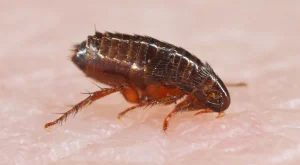
- Fleas are egg-laying machines. Female fleas are like tiny egg factories. They can lay up to 50 eggs a day, which adds up to more than 2,000 eggs in their lifetime. That’s why one flea can quickly turn into a full-blown infestation.
- Flea spit is sneaky. Fleas don’t just bite—they use their saliva to make the process easier for them (and worse for you). Their spit contains anticoagulants that keep your blood flowing smoothly while they feed. Gross, right? We’ll get more into that in a minute.
- Some fleas play favorites. Not all fleas are equal opportunists. Some species prefer specific hosts, like dogs, cats, or rats. But others aren’t picky and will happily hop onto whatever warm-blooded creature is nearby—yes, including you.
- Fleas love a challenge. These pests are survival experts. They can live for months without a meal, thrive in tough conditions, and go dormant when things aren’t ideal. That’s why getting rid of fleas can feel like an uphill battle—they’re built to stick around.
Fleas may be tiny, but they’re full of surprises! Knowing what makes them tick can help you keep them out of your home and off your pets.
Do Fleas Bite or Sting?
Fleas are definitely biters, not stingers! These tiny pests use their sharp mouthparts to pierce the skin and draw blood. While you won’t feel a sting like with a bee or wasp, the aftermath of a flea bite can be just as bothersome. Flea bites usually show up as small, itchy, red welts on both humans and animals. You may notice them on your ankles, legs, or even around your waist. The real trouble starts when you start scratching – not only can it cause more irritation, but it can lead to infection too.
Remember how we said that flea spit is sneaky? Let’s dig deeper into the science of why—it’s as fascinating as it is gross!
When a flea bites, it’s not just grabbing a quick snack; it’s executing a well-coordinated feeding process. Fleas inject their saliva into your skin while they bite, and that spit is loaded with special chemicals that make feeding easier for them and way worse for you.

Here’s the deal: flea saliva contains anticoagulants. These chemicals prevent your blood from clotting, keeping it flowing smoothly so the flea can enjoy a steady meal. Essentially, their spit is like a tiny syringe delivering an anti-clogging agent directly into your bloodstream.
But the trouble doesn’t stop there. Flea spit can also trigger allergic reactions in some people and pets, causing intense itching, redness, and even swelling. This condition, known as flea allergy dermatitis (FAD), can make flea bites feel a lot worse than just a simple itch. Pets with FAD can scratch themselves raw, leading to infections and skin issues that need veterinary care.
To top it off, flea saliva isn’t just a feeding tool—it’s also a vehicle for transmitting diseases and parasites. Some of the most serious illnesses, like murine typhus and even the plague, are spread through infected fleas injecting their spit into a host.
So, while their bites might seem like small annoyances, flea spit has a big impact. It’s a survival superpower for the flea—but a major headache for their hosts!
Have a flea problem that needs fixing?
Do Fleas Spread Disease?
Unfortunately, fleas are more than just a nuisance; they can also be a serious health threat. They can transmit a range of diseases, some of which are quite severe. One of the most famous is the plague, which, historically, wiped out millions of people. While it’s rare these days, fleas can still spread this deadly disease if they’ve fed on infected animals like rodents. Fleas are also known to carry murine typhus, a bacterial infection that causes fever, rash, and body aches. And don’t forget cat scratch disease, which can be passed from cats to humans through flea bites or scratches. In some cases, fleas are also responsible for spreading tapeworms to pets. Keeping fleas at bay is crucial to maintaining both the health of your furry friends and your family!
Types of Fleas in the U.S.
Fleas are tiny but mighty pests that can cause big problems for both humans and animals. While most people are familiar with the itching and discomfort caused by flea bites, not everyone realizes the variety of flea species that exist, each with its own unique habits and health risks. From the common cat and dog fleas to the more dangerous oriental rat flea, understanding the differences between these pests can help you better protect your family and pets. Let’s dive into the world of fleas and learn more about the four most common types you might encounter.
Cat Flea (Ctenocephalides felis)
The Basics:
Cat fleas are the superstar (or villain) of the flea world—they’re the most common type you’ll run into. But don’t let the name fool you; they’re not picky about their hosts. Cats, dogs, humans—if you’ve got warm blood, they’re interested. These tiny, dark brown jumpers are like the Olympians of the insect world, leaping from one spot to the next like pros.
Where They Hang Out:
Cat fleas love cozy spots where your pets chill—think bedding, carpets, and couches. They stick close to their host for easy access to meals, but they’re not shy about hopping to a new host if the opportunity arises.
Life of a Cat Flea:
These little pests are reproductive machines. A single female can lay up to 50 eggs a day! Those eggs fall off your pet and scatter around your home, hatching into larvae in dark, hidden spots like cracks and crevices. After pupating, adult fleas are ready to find their next meal—and fast.
Why They’re a Problem:
Aside from the itching and scratching, cat fleas can spread some nasty stuff, like murine typhus and cat scratch disease. They also carry tapeworms that your pet can accidentally ingest. If your pet has a flea allergy, the bites can cause serious skin issues like hair loss and infections.
Dog Flea (Ctenocephalides canis)
The Basics: Dog fleas are the cat flea’s lesser-known cousin, and while they’re not as common, they’re just as annoying. They look pretty much identical to cat fleas, so telling them apart without a microscope is tough. Like their feline-named counterparts, these reddish-brown pests are Olympic-level jumpers too.
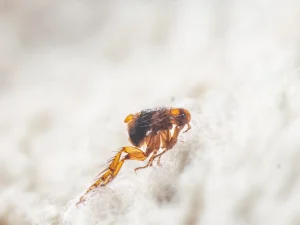
Where They Hang Out: Dog fleas are most at home on—you guessed it—dogs. But they’re not picky. Cats, humans, and other mammals are fair game. They cozy up in pet bedding, rugs, and warm, humid places, making southern climates their favorite hangout.
Life of a Dog Flea: Dog fleas follow the same lifecycle as cat fleas: lay eggs, hatch into larvae, pupate, and then emerge as adults ready to feed. Their pupal stage can stretch for weeks or even months when conditions aren’t ideal, turning them into stealthy, long-term houseguests.
Why They’re a Problem: Like cat fleas, dog fleas can carry tapeworms and cause allergic reactions in pets. They’re also linked to diseases like murine typhus, though that’s more common with rat fleas. The main issue? They make life miserable for your fluffy friends—and sometimes for you too.
Human Flea (Pulex irritans)
The Basics: Yep, there’s a flea just for humans. But don’t take it personally—they’ll happily bite dogs, cats, pigs, or pretty much any warm-blooded animal they can find. Human fleas are slightly bigger than cat or dog fleas, with a reddish-brown color and a thirst for blood.
Where They Hang Out: Human fleas used to be common in places with poor hygiene, but thanks to modern sanitation, they’re pretty rare now. When they do show up, they tend to stick around bedding, clothing, or anywhere humans hang out for long periods.
Life of a Human Flea: Their life cycle is similar to other fleas. They lay eggs on the host, which fall into the environment and hatch into larvae. These larvae love munching on organic debris before transforming into adult fleas that are ready to bite.
Why They’re a Problem: Human fleas are notorious disease carriers, capable of spreading plague (yep, that one) and murine typhus. Even if they’re not transmitting anything dangerous, their bites can cause intense itching, and scratching can lead to infections.
Oriental Rat Flea (Xenopsylla cheopis)
The Basics: If fleas had a Most Wanted list, the oriental rat flea would be at the top. These dark, tiny pests are infamous for their role in spreading the plague during the Black Death. Their favorite hosts are rats, but they’ll bite humans and other animals if they have to.
Where They Hang Out: You’ll find oriental rat fleas wherever there are rats—think sewers, trash piles, and old buildings. In urban areas, rat infestations often lead to flea problems, making these pests a double threat.
Life of a Rat Flea: Like all fleas, oriental rat fleas lay eggs on their host, which fall off into the environment. The larvae feed on organic matter before pupating and emerging as adults. They can hang out in their pupal stage for weeks or months, waiting for the right time to find a host.
Why They’re a Problem: The oriental rat flea is the superstar spreader of Yersinia pestis, the bacteria responsible for the plague. While modern medicine has made the plague rare, these fleas are still capable of transmitting it. They can also carry murine typhus and tapeworms, making them a serious health risk.
Fleas might be small, but they’re not harmless. Whether it’s the common cat flea or the notorious oriental rat flea, each species comes with its own set of challenges. Keeping these pests in check is the key to protecting your pets, your family, and your sanity!
Where Do Fleas Come From?
Fleas are expert travelers and master survivors, making them surprisingly good at showing up where you least expect them. Whether they’re hitching a ride on your pet, lurking in the environment, or jumping aboard from another animal, these tiny pests always find a way in. Let’s explore their favorite launch pads:
Outdoor Hotspots for Fleas
Fleas thrive in warm, humid environments and love to hang out in places like:
- Tall grass: Fleas can wait in shaded grassy areas for the next warm-blooded host to stroll by.
- Leaf piles: These damp, cozy spots are flea heaven, especially during the fall.
- Sandy soil: Fleas are often found in sandy or loose dirt, particularly in regions with mild climates.
These outdoor hangouts become trouble zones when pets or people unknowingly wander through, picking up flea passengers along the way.
Animal Taxis
If your pet spends time outside, they’re a prime target for fleas. Fleas jump onto pets from the environment or from other animals, including:
- Wildlife: Raccoons, squirrels, opossums, and even birds can drop fleas in your yard or near your home.
- Rodents: Rats and mice can bring fleas indoors, especially if they’ve found a way into your house.
- Other pets: A playdate with a flea-infested friend at the park or in your neighborhood can lead to an infestation in your home.
Public Places
Fleas don’t just stick to the great outdoors; they can easily tag along from places where pets and people gather. Some common flea hotspots include:
- Dog parks: These social hubs are great for your pup but also for fleas looking to leap onto their next host.
- Kennels: Anywhere with multiple animals in close quarters can be a flea breeding ground if not properly managed.
- Hiking trails: Fleas can lurk along the path, waiting for you or your dog to brush by.
Why Fleas are So Sneaky

Fleas are resilient, fast, and small—so small, in fact, that they’re easy to miss until they’ve already invaded your space. They can survive without a host for days or even weeks, lying in wait for the perfect opportunity to pounce. Once they’re inside your home, they can multiply quickly, making it essential to catch and treat infestations early.
By understanding where fleas come from, you can take steps to avoid bringing these pests home. Regular pet grooming, yard maintenance, and preventive flea treatments are your best defense against these tiny hitchhikers.
Have a flea problem that needs fixing?
How Do You Get Fleas Without Pets?
No pets? No problem—fleas can still find their way into your home. Wildlife like squirrels, raccoons, or mice can drop fleas in your yard or attic, while dormant flea eggs and larvae hide in carpets, furniture, or cracks, waiting for a host. Even humans can bring fleas indoors after visiting flea-infested areas, with these tiny hitchhikers clinging to clothes or shoes. This is just one reason why regular flea pest control helps keep your family protected against pests. With our Home Protection Plan, we catch indoor fleas and stop them in their tracks. We’re happy to tell you more about that when you call for a free estimate!
Life Cycle of Fleas
Fleas are built for survival, and their life cycle is a big part of what makes them so difficult to eliminate. These tiny pests go through four distinct stages, each designed to help them thrive in tough conditions and keep their populations growing. Let’s take a closer look at how fleas work their magic:
- Eggs: The Starting Point: Flea eggs are tiny, white, and almost invisible. A single female flea can lay up to 50 eggs a day, usually on a host. But here’s the catch: these eggs don’t stick. They fall off into carpets, bedding, or cracks in the floor, where they settle and wait to hatch.
- Larvae: The Hungry Stage: In a few days, eggs hatch into worm-like larvae that aren’t picky eaters. They snack on anything organic, including dead skin, hair, and flea dirt (yes, flea poop). Larvae avoid light and burrow into dark spots like carpet fibers or pet bedding to grow.
- Pupae: The Waiting Game: After eating their fill, larvae spin cocoons and enter the pupal stage. Inside, they’re nearly indestructible and can stay dormant for weeks or months. Warmth, vibrations, or even a host’s breath can wake them up, triggering the adult flea to emerge.
- Adults: The Biting Machines: When ready, adult fleas pop out of their cocoons hungry for blood. They jump onto a host, bite, and start feeding. Within a day or two, females begin laying eggs, kicking off the whole cycle again.
The flea life cycle is like a sneaky magic trick—they seem to pop out of nowhere just when you think you’ve got them beat! Fleas are pros at survival, able to hang out without a host for months until the perfect moment strikes. That’s why battling fleas isn’t just about zapping the ones you see; you’ve got to tackle every stage of their life cycle to break the cycle for good and keep these pesky hitchhikers from making a comeback.
How Fleas Affect Pets
Fleas can make your pets miserable. Here’s how:
Physical Symptoms

- Itching and Scratching: Flea saliva causes allergic reactions.
- Hair Loss: From all that scratching and biting.
- Skin Infections: Open wounds can get infected.
Health Risks
- Flea Allergy Dermatitis (FAD): A severe reaction to flea bites.
- Anemia: Too many bites can cause blood loss, especially in small animals.
- Parasite Problems: Fleas carry tapeworms that pets can ingest.
How Fleas Affect Humans
Fleas aren’t just a problem for your pets—they can cause plenty of trouble for humans, too. Here’s how these tiny pests can impact you:
- Itchy Bites: Flea bites are small, red, and extremely itchy, often appearing in clusters on your legs, ankles, or other exposed skin. Scratching the bites can make them even worse, leading to irritation or potential infection.
- Allergic Reactions: Flea saliva doesn’t sit well with everyone. Some people experience allergic reactions that go beyond the usual itch, with symptoms like swelling, hives, or even blistering. For those with sensitive skin, just a few bites can be downright miserable.
- Disease Risk: Although rare, fleas are capable of spreading diseases to humans. They can carry bacteria that cause illnesses like murine typhus and cat scratch fever. In very rare cases, they may even transmit the plague, especially in areas with high rodent populations.
How Do Fleas Communicate?
Okay, fleas don’t exactly have conversations or group chats, but they do have their own way of figuring out what’s going on. These little pests are like tiny detectives, using vibrations, heat, and carbon dioxide to sense when dinner (aka a host) is nearby.
Imagine it this way: when you walk across the room or your pet flops down on the carpet, those movements send out vibrations that fleas pick up like radar. Add some warmth from body heat and the carbon dioxide you exhale, and it’s like ringing a creepy dinner bell for them. “Ooh, fresh blood buffet!”
Fleas may be tiny, but they’re wired to sense exactly when and where to jump into action. So next time you’re wondering why they always seem to find you or your pet, just know they’ve got some sneaky tricks up their sleeve!
Have a flea problem that needs fixing?
Signs of a Flea Infestation
Not sure if fleas have invaded your home? Here are some telltale signs to watch for:

- Your Pet Won’t Stop Scratching: Excessive itching, biting, or licking is a big red flag. Fleas love to hide in your pet’s fur, especially around the neck, tail, and belly.
- Flea Dirt: Tiny black specks (flea droppings) on your pet’s skin or bedding are a sure sign. You can confirm it is flea dirt by wetting it—if it turns red or brown, it’s digested blood.
- Bites on Humans: Flea bites often show up as small, red, itchy spots on your legs, ankles, or feet. They tend to appear in clusters or lines.
- Fleas Jumping Around: If you spot tiny, fast-moving, jumping insects on your pet, furniture, or carpets, those are fleas. Their powerful back legs make them excellent jumpers!
- Pale Gums in Pets: In severe infestations, fleas can cause pets to lose so much blood that they develop anemia, which shows up as pale gums. This is especially dangerous for young or small animals.
- Flea Eggs or Larvae: Flea eggs look like tiny grains of salt, and larvae are tiny worm-like critters that may be hiding in carpets, bedding, or cracks in the floor.
- Increased Pest Activity: Fleas can hitch a ride on rodents or other wildlife. If you notice mice, squirrels, or raccoons hanging around, it could lead to a flea problem.
If you spot any of these signs, act fast! Fleas multiply quickly, so early treatment is key to keeping them from taking over your home.
What You Can Do About Fleas
So, you’ve confirmed it: fleas are crashing your party. Or maybe you just want to make sure your home doesn’t turn into a flea-friendly resort. Either way, here are some easy, effective ways to kick fleas out—or keep them from ever moving in!
- Treat Your Pets

If you have furry friends, they’re likely the fleas’ favorite hangout. Talk to your vet about flea treatments like spot-on solutions, flea collars, or oral medications. A flea-free pet is the first step to a flea-free home!
- Deep Clean Everything
Fleas love to hide in carpets, bedding, and furniture, so grab your vacuum and go to town. Pay extra attention to spots where your pets like to nap. Don’t forget to wash their bedding in hot water—it’ll wipe out any eggs or larvae hiding there.
- Mow, Trim, and Tidy Outside
Your yard can be a flea hotspot, especially if it’s overgrown. Mow your lawn, trim bushes, and clean up leaf piles to make it less cozy for fleas and their wild animal taxis (like squirrels and raccoons)..
- Keep Wildlife Away
Seal up any cracks or gaps around your home to keep out critters that can bring fleas with them. Think of it as locking the door to unwanted guests—except in this case, it’s squirrels, mice, and raccoons.
- Don’t Forget Follow-Ups
Fleas have a sneaky life cycle, and their eggs can hatch weeks later. Keep vacuuming, treating your pets, and checking for signs of fleas to make sure you’ve wiped them out.
How Do I Get Rid of Fleas?
Fleas may be tiny, but they’re relentless little pests that can make life miserable for both pets and people. If you’ve tried everything and those pesky fleas are still sticking around, it’s time to call Fox Pest Control. Our flea exterminators know fleas inside and out and are ready to help you get rid of them. With our Home Protection Plan, you’ll get year-round protection from fleas and other common pests that can crawl into your home. We’ll pinpoint problem areas, seal up entry points, and tackle the root causes of infestations. Our Yard Enjoyment Plan controls flea populations outside, increasing the effectiveness with each treatment, and giving you a yard you’ll want to spend time in. Let Fox Pest Control help you take back your home and yard—call us today!