Ah, crickets. They’re like nature’s little noisemakers, filling the summer air with their signature chirps. That charm wears off real fast when they make their way into your home. In this guide, we’ll take a deep dive into everything you need to know about these fascinating insects — from their behavior, cricket pest solutions, and life cycle to why they might have chosen your cozy abode as their new hangout spot. Here we go!
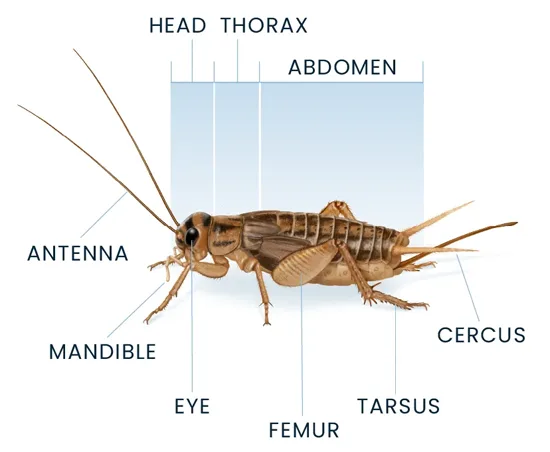
What Do Crickets Look Like?
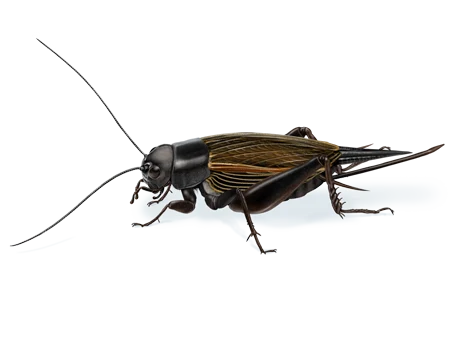
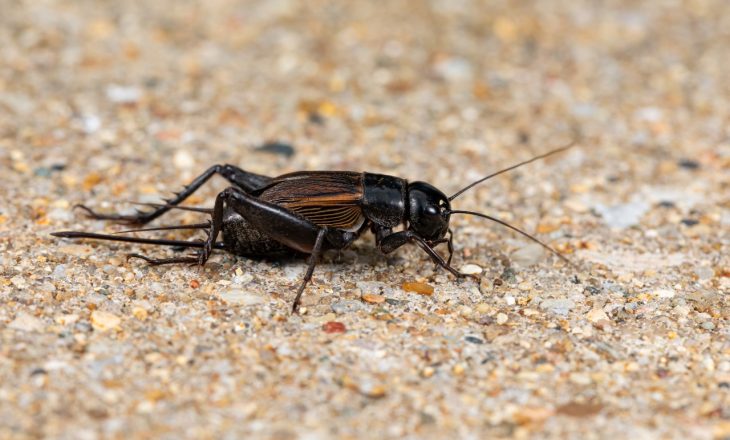
Field Cricket
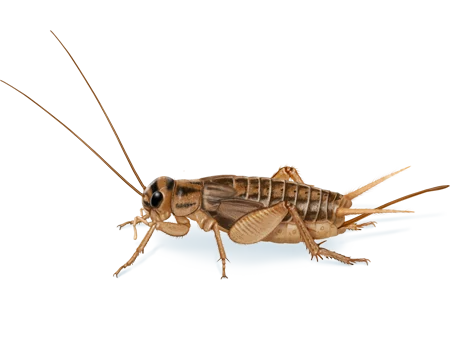
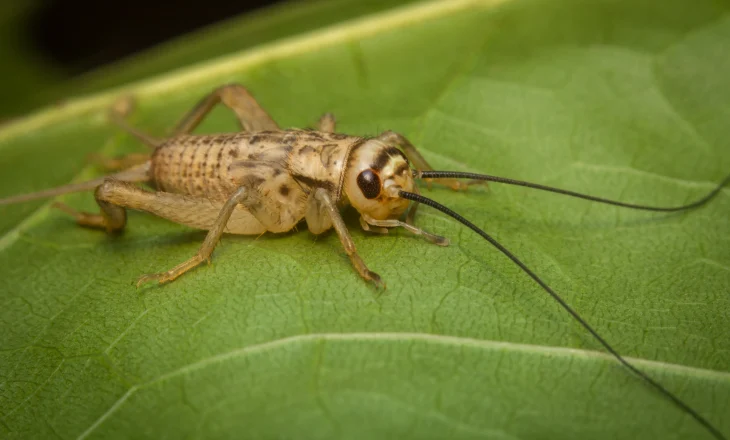
House Cricket
What Are Crickets?

Crickets are part of the insect order Orthoptera, which also includes grasshoppers and katydids. Within this order, they belong to the family Gryllidae. These small, jumping insects are known for their long antennae, powerful hind legs, and, of course, their iconic chirping. The name “cricket” is thought to come from the French word criquer, meaning “to creak,” which perfectly describes the sound they produce.
These noisy creatures have been around for almost a whopping 300 million years—yep, all the way back to the time of the dinosaurs! These little guys have seen it all and adapted to just about every environment you can think of, from rainforests to your backyard. It’s no wonder they’re still chirping away today—they’re some of nature’s ultimate survivors!
Did you know that crickets are found all over the world and thrive in a variety of environments? From grasslands to forests to urban areas, there are over 900 species identified, in varying sizes and colors. Their behavior can be different from one species to another, but they all share some common traits: nocturnal habits, a love for warm climates, and an omnivorous diet that keeps them adaptable and resilient.
Cricket Hall of Fame: Famous U.S. Species and Their Unique Traits
Crickets may all look similar at first glance, but several species are especially common in the United States, each has its own quirks, preferences, and behaviors. Let’s get to know the cricket “celebrities” you’re most likely to encounter:
1. House Cricket (Acheta domesticus)
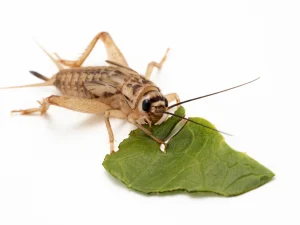
- Description: Light brown with three dark bands on their heads, house crickets are about 3/4 to 1 inch long.
- Habitat: True to their name, house crickets love sneaking indoors, especially in warm spots like basements, kitchens, and near heating vents. They’re common across all 50 states but are especially found in urban and suburban areas where it’s easy for them to sneak inside.
- Unique Traits: House crickets are loud little noisemakers that often drive people crazy. They’re also popular as food for pet reptiles and amphibians, making them a big deal in the pet trade.
- Fun Fact: House crickets were originally native to Asia but have spread worldwide.
- Hot Spots: They thrive in states with colder winters (like New York, Illinois, and Michigan) because they’re drawn to the warmth of homes, but they’re also found in California, Florida, and other warmer regions.
2. Field Cricket (Gryllus spp.)

- Description: These guys are usually black or dark brown and slightly larger than other species, usually about 1 inch.
- Habitat: Found in fields, meadows, and gardens, field crickets tend to invade homes when the weather cools, seeking warmth. They’re widespread across the U.S., especially in southern and central states where open fields and farmlands provide plenty of food and shelter.
- Unique Traits: Even though field crickets don’t chirp as often indoors as their house cricket cousins do, they can still cause damage by chewing on fabrics and other materials.
- Fun Fact: They’re known for their aggressive songs used to ward off rival males.
- Hot Spots: Texas, Kansas, Missouri, and Georgia are perfect field cricket territory. These pests are also common in Midwestern states during the growing season.
3. Camel Cricket (Ceuthophilus spp.)
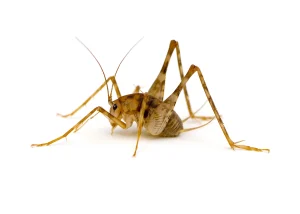
- Description: These crickets are easily recognizable by their humpbacked appearance, long legs, and lack of wings.
- Habitat: These crickets prefer cool, dark, and damp places, so you’ll usually find them in basements, crawl spaces, or hiding under logs and stones. They love humid spots, making them most common in the eastern and southeastern U.S.
- Unique Traits: Unlike their chirping cousins, camel crickets stay quiet because they don’t have wings, which they need to make that sound. Instead, they use their super long legs to jump away when they feel threatened.
- Fun Fact: Their eerie silence and appearance have earned them the nickname “spider crickets.”
- Hot Spots: North Carolina, Tennessee, Virginia, and Georgia see a lot of camel crickets, especially in basements and crawl spaces. They’re also found in the Pacific Northwest (like Washington and Oregon) due to the damp climate.
Have a cricket problem that needs fixing?
4. Mole Cricket (Gryllotalpidae)
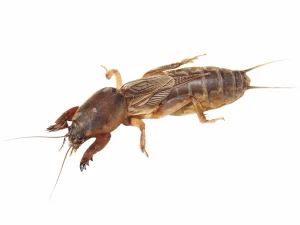
- Description: Mole crickets are light brown with front legs that look like shovels—perfect for digging!
- Habitat: These burrowers thrive in loose, moist soil, and you’ll often find them near lawns, gardens, and in warm, sandy areas—especially in the southern U.S.
- Unique Traits: Their digging can cause major damage to turf and crops, making them a real headache for gardeners and farmers.
- Fun Fact: Mole crickets are surprisingly good swimmers and can hang out underwater when things get flooded!
- Hot Spots: Florida, Texas, Alabama, and South Carolina see a lot of mole cricket action, especially in lawns and golf courses.
5. Jerusalem Cricket (Stenopelmatidae)
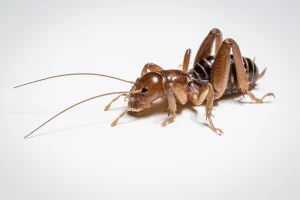
- Description: Jerusalem crickets have big heads, striped abdomens, and sturdy bodies—honestly, they look more like giant ants than crickets!
- Habitat: Jerusalem crickets stick to the western U.S., especially in dry, sandy spots along the Pacific coast. They love deserts and scrublands and are most active at night.
- Unique Traits: Instead of chirping, these crickets drum their abdomens on the ground to communicate.
- Fun Fact: Even though they’re called Jerusalem crickets, they’re not actually true crickets and have no ties to Jerusalem at all!
- Hot Spots: California, Arizona, Nevada, and New Mexico are prime spots for Jerusalem crickets, and you’ll usually spot them in deserts and scrublands at night.
Each of these crickets plays a unique role in its environment, whether as a chirping house guest, a silent hopper in the basement, or a burrowing pest in the yard. By recognizing their differences, you’ll be better prepared to identify and manage any cricket-related issues you might face.
Why Do Crickets Love Your Home?
Crickets are heat-seeking pros. They can detect heat gradients, which means your warm and inviting home is basically a five-star resort in their eyes. When temperatures drop, they’re drawn to heated spaces where they can stay toasty, safe, and well-fed. Unfortunately, that often means your basement, garage, or even living room.
The Noisy World of Crickets: Why All the Chirping?
If you’ve ever laid in bed and wondered why that cricket just won’t stop chirping, here’s the scoop: it’s usually a male trying to impress a female. Crickets “sing” by rubbing their wings together, a process called stridulation. But did you know there are actually four distinct types of cricket songs?
- Calling Song: This is the classic chirping you’re probably most familiar with. It’s the male’s way of saying, “Hey, ladies, I’m over here!”
- Courting Song: A more intimate tune used once a female shows interest.
- Aggressive Song: When a rival male shows up, this song says, “Back off, buddy!”
- Copulatory Song: A celebratory chirp after successful mating. Yes, really.
So, next time you’re lying in bed listening to a cricket’s nonstop chirping, you’ll know it’s more than just background noise—it’s a whole symphony of cricket communication! From wooing a mate to warding off rivals, each song has its purpose. Crickets might not have much to say with words, but they sure make up for it with their songs!
Crickets and Temperature: Nature’s Thermometers
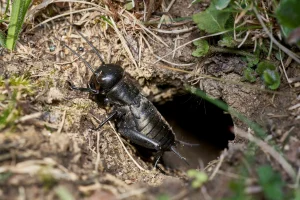
Want to know the temperature without checking your phone? Here’s a fun trick: count how many times a cricket chirps in 15 seconds, then add 40. That’s about the temperature in Fahrenheit! Crickets tend to chirp more often when it’s warm, so the next time you hear them, you could even get a pretty good guess of the day’s high.
In fact, this chirping method is part of something called Dolbear’s Law, which was developed by American physicist Amos Dolbear in 1897. He figured out that the rate of cricket chirping is closely tied to temperature. The faster they chirp, the warmer it is! Crickets adjust their chirping rate based on the surrounding temperature, so you can actually use their rhythm as a natural thermometer. Next time you’re outside, give it a try and see how close you can get to the real temperature. Pretty cool, right?
Do Crickets Bite, Sting, or Spread Disease?
Good news: crickets don’t bite or sting, so they’re harmless to humans in that sense. But don’t let their harmless nature fool you— here are a few ways they can still cause some headaches!
- Property Damage: Crickets are chewing machines. They’ll happily munch on wood, plastic, leather, rubber, and even fabric. Got a favorite wool sweater or cherished blanket? It’s not safe if crickets find their way into your home.
- Diseases: While crickets don’t spread diseases like some pests, their chewing habits and droppings can create a cleanliness issue. If left unchecked, they can contaminate food storage areas or leave behind unsightly messes.
Mormon Crickets: A Different Kind of Problem

You may have heard about a particular “cricket” that has caused a big hullabaloo, Mormon crickets. But guess what? Mormon crickets aren’t even crickets—they’re actually large katydids! These pests have plagued farmers for centuries, especially in the western U.S., where they swarm in huge numbers, devouring crops and vegetation in their path. A single swarm can strip fields bare, causing significant economic damage to agriculture. While they don’t bite humans, their sheer numbers and appetite make them a destructive force.
Even though crickets might not hurt you directly, their ability to destroy property or cause agricultural chaos can definitely make them a pest worth controlling!
Life Cycle of Crickets
Crickets might seem like simple little critters, but their journey from egg to adult is pretty fascinating! With three main life stages: egg, nymph, and adult, their entire life lasts about 2-3 months, with adults sticking around for more than six weeks. Let’s take a closer look at how these noisy insects grow up!
Step 1: Fertilized Egg
It all starts in the fall when female crickets deposit their eggs in moist soil, using a specialized structure called an ovipositor. Think of it like planting tiny seeds in the earth—but instead of plants, it’s the next generation of crickets waiting to emerge. These eggs stay tucked away through the colder months, patiently waiting for spring’s arrival.
Step 2: Hatching
When spring finally comes, the eggs hatch, and tiny first-stage nymphs pop out. These little ones are basically miniature crickets, but without wings or the ability to chirp just yet. They’re small, vulnerable, and focused on one thing: growing.

Step 3: Nymph Stages
As the nymphs grow, they go through 5 to 10 molts, shedding their exoskeletons to make room for their expanding bodies. Each time they molt, they start to look more like adult crickets—longer legs, a more defined body, and eventually tiny wing buds. It’s like watching nature’s version of a glow-up!
Step 4: Adult Crickets
After the final molt, the nymphs transform into fully grown adult crickets. Now they’re equipped with wings and, for the males, the ability to chirp their iconic songs. By the time they’re adults, crickets are ready to mate, start the cycle over, and fill your backyard with their nighttime symphony.
It’s pretty incredible how much these little insects go through in their short lives, isn’t it? So, the next time you hear a cricket chirping, you’ll know it’s the result of a long journey through molts, growth, and transformation!
Have a cricket problem that needs fixing?
Mistaken Identities: Copycat Cousins
Crickets, grasshoppers, and katydids are often confused thanks to their similar size, long legs, and ability to jump, but these three insects each have their own unique features. Let’s compare them side-by-side!
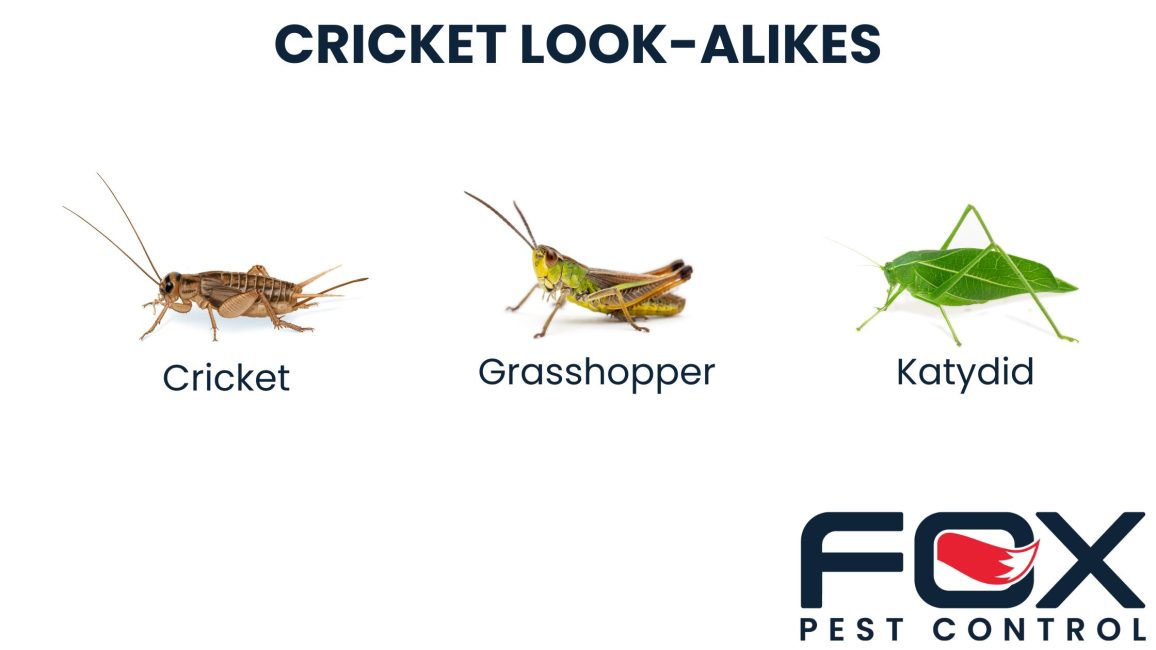
Activity
- Crickets: Nocturnal, most active at night.
- Grasshoppers: Diurnal, hopping around in the sunshine.
- Katydids: Nocturnal, like crickets, but quieter and more elusive.
Color and Appearance
- Crickets: Dark brown or black, blending into shadows.
- Grasshoppers: Green or brown, perfect for camouflaging in grass or dirt.
- Katydids: Bright green with leaf-shaped wings, giving them a “living leaf” disguise.
Sound-Making
- Crickets: Chirp loudly by rubbing their wings together, mostly at night.
- Grasshoppers: Create sounds by rubbing their legs against their wings, often as a defense mechanism, mostly during the heat of the day.
- Katydids: Produce soft, rhythmic chirps by rubbing their wings, often mimicking the phrase “Katy did.”
Antennae
- Crickets: Long antennae, about the same length as their body.
- Grasshoppers: Shorter antennae, usually less than half their body length.
- Katydids: Extremely long antennae, often much longer than their bodies.
Habitat
- Crickets: Found in damp, dark places like under logs or in basements.
- Grasshoppers: Prefer open, sunny fields and gardens.
- Katydids: Hang out in trees, bushes, or other leafy areas where their green coloring helps them hide.
Fun Facts
- Crickets: Famous for their nighttime serenades and are often kept as pets or even used as food for other animals.
- Grasshoppers: Known for their strong legs and ability to jump impressive distances.
- Katydids: Their name comes from their chirp, which sounds like “Katy did.”
By comparing these traits, you can easily spot whether you’re looking at a cricket, grasshopper, or katydid. Next time you hear chirping or see one hopping, you’ll know exactly which is which!
Behavior and Diet of Crickets
Crickets are opportunistic omnivores with surprisingly broad tastes. Their menu includes:
- Agricultural crops like grains and vegetables
- Fabrics such as cotton, linen, wool, and silk
- Leather, fur, and even synthetic materials (especially if they’ve been soiled with human perspiration)
- Other insects, food scraps, and even plastic and rubber
Crickets are fascinating little creatures with habits that often bring them into human spaces, earning them the nickname “accidental invaders.” Species like the camel cricket, field cricket, and house cricket are naturally drawn to cool, dark, and humid environments, such as basements, crawl spaces, and other damp areas near homes. Even thought they don’t intend to move in, they often wander indoors while searching for food or shelter.
Cricket Nighttime Behavior: Why They’re Drawn to Light
As nocturnal insects, crickets spend their days hiding in safe, cozy spots and come out at night to scavenge for food. They’re omnivores, which means they’re not picky eaters—they’ll munch on plants, animal matter, or even other insects. They’ve even been known to attack weaker or injured insects (including other crickets!) and will happily feed on any dead bugs they stumble upon if nothing else is available.
At night, crickets are often seen congregating near bright lights, attracted by the glow. Scientists believe this behavior may help them navigate or find mates. Unfortunately for homeowners, this can make outdoor lights a beacon, luring crickets closer to human dwellings.
How Do Crickets Communicate?
As mentioned earlier, male crickets are the singers of the species. They use their forewings to create that characteristic chirping sound, which serves multiple purposes depending on the situation. Chirping also ramps up in warmer weather, making summer evenings especially noisy.
Interestingly, both male and female crickets have highly sensitive sound receptors located on their front legs, allowing them to pick up even the faintest of vibrations.
This is pretty important because it’s how crickets “talk” to each other and stay aware of their surroundings. This helps them hear other crickets’ chirps, which is key for attracting mates or keeping rivals away. Plus, it helps them stay alert to predators or any changes in their environment. So, those little sensors on their legs are more important than you might think!
Have a cricket problem that needs fixing?
Signs of a Cricket Infestation
Think you’ve got crickets crashing your space? These noisy little critters don’t always stay hidden, and their presence often comes with some noticeable clues. Here’s how to tell if crickets are making themselves at home:
1. Chirping Indoors
Crickets are famous for their chirping, and if it’s happening inside your home, that’s a pretty big red flag. If the chirping seems to follow you from room to room, you might have several crickets hopping around.
2. Property Damage
Crickets aren’t shy about chewing on things. If you notice small chew marks on your favorite clothes, furniture, or household items, a cricket infestation could be to blame. Delicate fabrics like wool and silk are especially vulnerable to their snacking habits.
3. Droppings
Another sign to look out for is cricket droppings. These appear as small, dark specks, often found on walls, floors, or other surfaces where crickets hang out. While they’re not harmful to humans, the droppings can create a cleanliness issue if left unchecked.
4. Unexpected Guests in Damp Areas
Crickets love cool, dark, and damp spots. Check basements, crawl spaces, or even behind appliances for these sneaky insects. If you frequently find crickets in these areas, it could mean there’s a thriving population nearby.
5. Damage to Stored Food or Paper Products
Because crickets are scavengers, they’ll nibble on just about anything if they’re hungry enough. Keep an eye out for damage to stored food packaging, books, or cardboard boxes, which can all become cricket snacks.
If you’re noticing one or more of these signs, it’s time to act quickly. A few crickets might not seem like a big deal, but left unchecked, they can multiply and cause more damage than you’d expect!
What You Can Do About Crickets
So, you saw the signs, and you know you’ve got crickets. Or you don’t see any signs and want to make sure you don’t have a neon sign advertising a vacancy for them to move in. Keeping crickets out of your home involves eliminating the factors that attract them. Read on for some great tips to help make your home less inviting to these pesky insects.
- Seal Entry Points: Crickets can squeeze through small cracks and gaps. Seal these with caulk or weatherstripping.
- Reduce Outdoor Lighting: Since crickets are drawn to light, switching to yellow or sodium vapor bulbs can help.
- Declutter: Remove piles of wood, leaves, or other debris near your home.
- Control Moisture: Use dehumidifiers and fix leaks to make your home less appealing to crickets.
- Store Items Properly: Keep fabrics and food in sealed containers.
How Do I Get Rid of Crickets?
Crickets might seem like harmless, chirping guests, but once they settle in, they can quickly become a nuisance. Understanding their behavior, diet, and life cycle gives you the upper hand in keeping them out of your home. Whether it’s sealing up entry points or reducing moisture in your home, a little prevention goes a long way in maintaining your peace and quiet.
But what if you’ve tried everything and crickets are still hanging around? That’s when it’s time to call Fox Pest Control. We know all about crickets and what to do to get rid of them. When you combine the tips above with our Home Protection Plan, you get year-round protection from crickets and many other common household pests. We’ll help you spot entrance points, unsealed areas, and potential issues causing the infestation. Our technicians get regular, on-the-ground training and know how to provide proper cricket pest control. You can count on Fox to give you peace of mind and help you feel comfortable and safe in your home. Give us a call today!