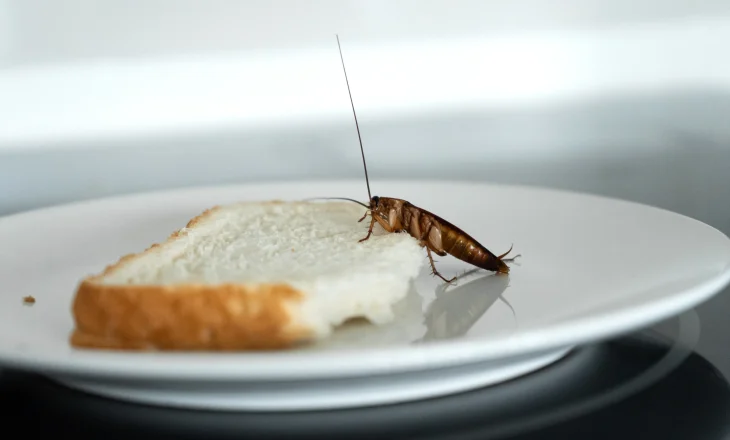
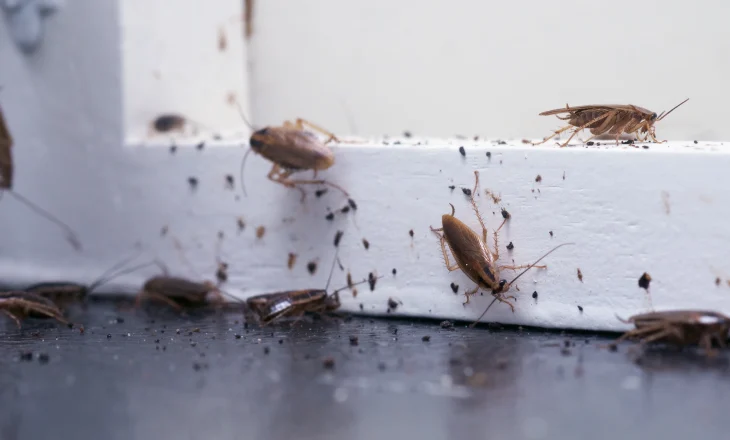
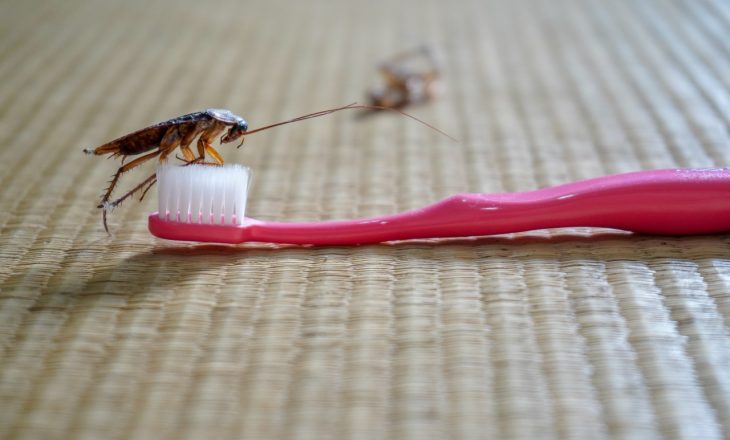
If you’ve ever flipped on a kitchen light and seen a little brown bug scurry out of sight, chances are you’ve met the infamous German cockroach. These tiny pests are the most common cockroach species in homes around the world.
They’re fast, they’re sneaky, and unfortunately, they multiply like crazy. But don’t panic! Let’s break down what makes these pests tick, how to spot them, and what you can do to send them packing.
What Is a German Cockroach?
Here’s the short version: German cockroaches are small roaches that love living where people live. They’re the top offenders in homes, apartments, restaurants, and just about anywhere with easy access to food and water.
And despite their name? They’re not actually from Germany. Scientists think they originally came from Southeast Asia (probably hitching rides on ships in the spice trade) and have been traveling with us ever since.
So why should you care? These little guys can spread bacteria, trigger allergies, and cause a whole lot of “ick.” Plus, once they settle in, they don’t go away easily.
Appearance, Size, and Where They Like to Hide
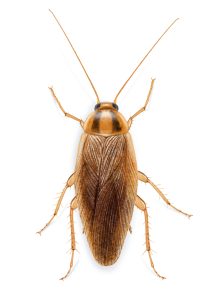
Here’s how to spot a German cockroach:
- Size: About ½ to ⅝ of an inch long (tiny but trouble!)
- Color: Light brown to tan, with two dark stripes right behind the head, like little racing stripes.
- Wings: They’ve got them, but don’t let that scare you. They almost never fly.
- Nymphs (baby roaches): Smaller, darker, and wingless.
Where to look: These roaches don’t wander far from their food and water source. Check:
- Kitchens: Behind the fridge, stove, and dishwasher.
- Bathrooms: Under sinks or in cabinets.
- Anywhere dark and cozy: Think wall voids, baseboards, even inside electronics (yep, really).
Do they build nests? Not exactly. They cluster together in tight, dark spots, close to food and water, making it feel like a “nest.”
Habitat and Behavior of German Cockroaches
German cockroaches love warm, humid places and will eat just about anything they can find. These little scavengers are mostly active at night, sneaking around to look for food, water, and mates. During the day, they hide in cracks, crevices, or other dark, cozy spots. Their flat bodies make it super easy for them to squeeze into tight spaces. If you see them out during the day, it usually means there are a lot of them, or they’re stressed out from things like a lack of food or water.
There is one thing that keeps German cockroaches from taking over the world, and that is the cold. While they can survive below 59 degrees Fahrenheit, roaches cannot develop from nymphs to adults. However, don’t let that make you complacent. They can hitch a ride into your home on items brought in from other places, especially secondhand or used goods. And most people don’t keep their homes below 59 degrees, so if they do get inside, they will be able to survive and reproduce.
What Do German Cockroaches Eat?
When it comes to food, German cockroaches aren’t picky eaters. They’ll chow down on crumbs, grease, garbage, and even things like soap, toothpaste, and book bindings. They also feed on dead cockroaches and droppings. They prefer dark, hidden spots like cracks and crevices and are most active at night when they search for food. In homes, they’re usually found in kitchens and bathrooms, especially around stoves and refrigerators, where food and water are easily accessible. Their ability to survive on almost anything is one reason they’re so hard to eliminate.
The Fast and Furious Life Cycle of German Cockroaches
What makes German cockroaches such a nightmare to deal with? They reproduce at lightning speed. A single female can lay up to 50 eggs at a time, and those eggs hatch in just a few weeks. The nymphs (baby roaches) mature quickly, reaching adulthood in about 6 weeks. German roaches breed repeatedly, without breaks, and there may be several generations living together at the same time.
- Egg cases (oothecae): Mom roaches carry them around until they’re almost ready to hatch (about 50 babies in each!).
- Nymphs: Once hatched, these little ones grow fast, molting several times before adulthood.
- Lifespan: Adults live about 6–12 months, but they don’t take breaks from making more babies.
With this rapid life cycle, a small infestation can turn into a big problem in no time. That’s why it’s so important to tackle cockroaches early before they multiply out of control. That’s why they’re so good at infesting buildings and tough to get rid of.
Mistaken Identity
German cockroaches are often confused with Asian and brown-banded cockroaches because of their size. However, brown-banded roaches have light bands across their bodies and don’t have the signature dark stripes that German cockroaches do. Asian cockroaches are strong fliers and have longer, more narrow wings. Also, Asian roaches prefer outdoor banquets, feeding on dead leaves and such.

Signs You’ve Got a German Cockroach Infestation
How do you know if roaches have moved in? Look for these red flags:
- Droppings: Tiny black specks that look like coffee grounds or pepper, usually along baseboards or near food.
- Egg cases & shed skins: Light brown casings and papery skins left behind as they grow.
- A funky smell: Larger infestations give off a musty, unpleasant odor.
- Daytime sightings: Roaches are night owls, so seeing them during the day often means the population is big (or stressed).
Have a german cockroach problem that needs fixing?
Are German Cockroaches Dangerous?
German cockroaches are more than just creepy—they can also be harmful. They carry bacteria that can spread diseases like Salmonella and E. coli. Plus, their droppings, shed skins, and saliva can trigger allergies and asthma, especially in children. If you see one, it’s important to act fast to keep them from multiplying and causing more problems.
German cockroaches are small but persistent pests that can quickly overrun your home if left unchecked. Keeping things clean, sealing up cracks, and calling in a professional can help keep out these unwelcome guests!
How Do You Get Rid of German Cockroaches?
Here’s the tough truth: German cockroaches are some of the worst pests to get rid of. They’ve been around for millions of years, and it shows—they’re survivors.
German cockroaches are especially tricky because they:
- Reproduce at lightning speed. One female can lead to thousands of roaches in just a few months.
- Hide where sprays can’t reach. They squeeze into cracks, crevices, and even electronics, making them hard to target.
- Can live on almost anything. Crumbs, grease, soap, toothpaste—you name it, they’ll eat it.
While you can try DIY baits and traps, professional treatment is the fastest and most reliable way to completely wipe out a German cockroach infestation. Fox Pest Control is ready to help you get rid of cockroaches. But don’t stop there—here’s what you can do to help:
1. Starve them out.
Store food (even pantry items) in airtight containers, keep pet food picked up, and take out the trash regularly. Clean up crumbs and grease right away, especially around stoves, sinks, and dishwashers.
2. Eliminate water sources.
Fix leaky pipes, dry damp areas, and don’t leave water sitting in sinks, tubs, or pet bowls overnight.
3. Block their hiding spots.
Seal cracks in baseboards, walls, and cabinets. Roaches love tight, dark spaces, so closing off these gaps makes your home much less inviting.
4. Deep clean and declutter.
Vacuum and mop regularly, especially under and behind appliances. Reduce clutter in cabinets, closets, and storage areas; roaches thrive in messy, hidden spaces.
Bottom line: German cockroaches won’t leave on their own, and they’re almost impossible to fully eliminate without help. Pair these steps with professional help from Fox Pest Control, and you’ll have the best shot at kicking them out for good.
How to Prevent German Cockroaches From Coming Back
Once you’ve gotten rid of them, here’s how to keep them away:
- Seal cracks and gaps around windows, doors, and baseboards.
- Clean up crumbs and spills, especially grease, in the kitchen.
- Store food in airtight containers (including pet food).
- Empty trash often and keep bins sealed.
- Check secondhand furniture and appliances before bringing them inside.
A little prevention now can save you a big headache later.
FAQs About German Cockroaches
Do German cockroaches bite?
Not usually, but in very large infestations, they might nibble on things like fingernails or calluses (gross, but true).
Can I get rid of them on my own?
You might knock back the numbers with DIY methods, but a professional can wipe them out completely.
Why are they so hard to kill?
They reproduce fast, hide well, and adapt to many treatments.
What attracts them?
Food, water, warmth, and clutter—basically, all the comforts of home.
Bottom line:
German cockroaches are stubborn little houseguests you don’t want to keep around. If you spot one, there are likely many more hiding out. Don’t wait. Call Fox Pest Control and let us help you feel comfortable and safe in your home.