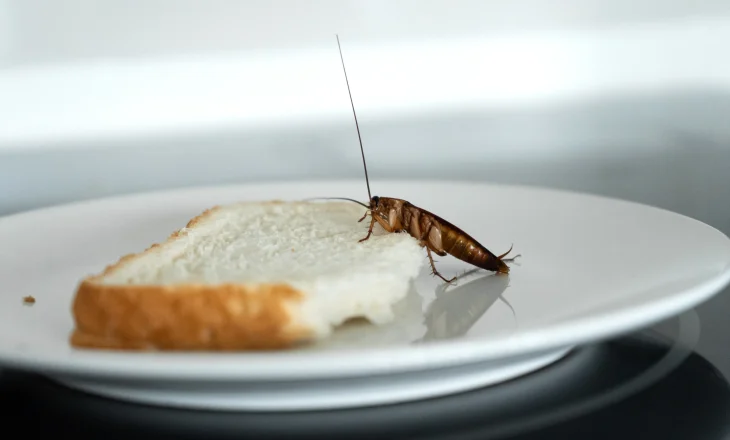
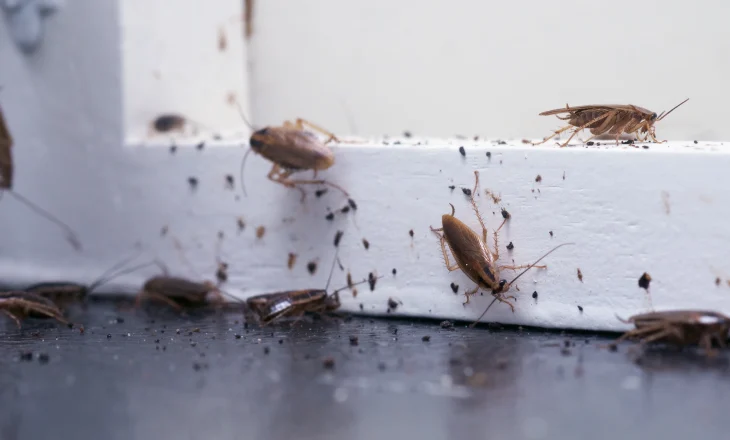
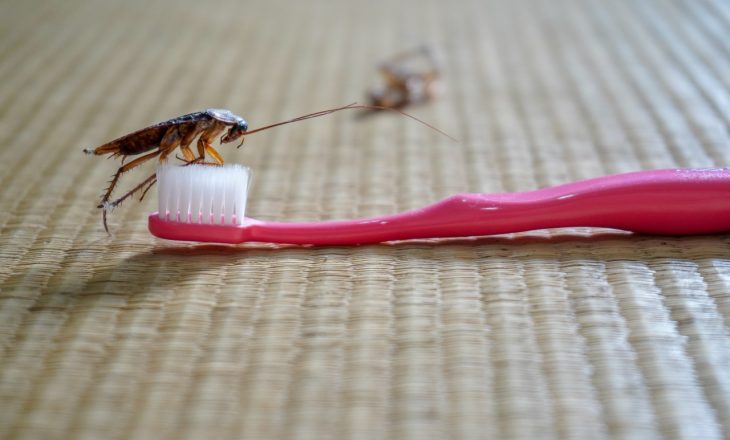
The brown-banded cockroach might be small, but it’s a big nuisance for homeowners. Named for the two light bands that stretch across their reddish-brown bodies, these pests are sometimes called “furniture cockroaches” because of their love for dry, warm hiding spots in furniture, closets, and even electronics.
Let’s walk through everything you need to know about these roaches — from identification and life cycle to how to tell them apart from other common roaches and, most importantly, how to get rid of brown-banded cockroaches.
What Is a Brown-Banded Cockroach?
The brown-banded cockroach (Supella longipalpa) is a small indoor species that spends its entire life inside homes, apartments, and other buildings. Unlike many other cockroach species, brown-banded roaches prefer dry environments over damp ones. This unique preference makes them particularly common in bedrooms, living rooms, and closets rather than kitchens and bathrooms alone. They thrive in temperatures over 80°F, which is why they’re so at home in warm, climate-controlled indoor spaces.
Where Did Brown-banded Cockroaches Come From?
Brown-banded cockroaches are thought to have originated in Africa, but they may have come to the US from Cuba, making their home first in Florida around 1903. These little buggers have since spread worldwide, especially to warmer regions. Unlike some roaches that prefer damp areas, these little pests have adapted to drier environments, making them a common nuisance in homes and apartments.
Appearance, Size, and Where They Are Found
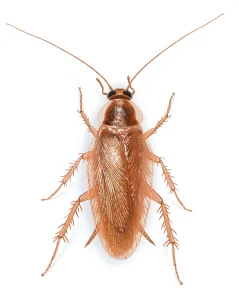
Wondering how to identify brown-banded cockroaches? Look for these key features:
- Size: Adults grow to about ½ inch long.
- Color: Light to reddish-brown with two distinct light bands running across their wings and abdomen.
- Males vs. females: Males are slimmer with fully developed wings and can fly short distances when disturbed, while females are shorter and stockier, with wings that don’t fully cover their bodies.
- Nymphs: Baby brown-banded cockroaches (nymphs) are darker in color with more noticeable bands.
As we mentioned before, brown-banded cockroaches love dry, warm hiding spots and are often found hiding during the day in cracks, behind picture frames, or inside electronics (especially when they’re warm!). They’re nocturnal, which means they’re way more active at night, but don’t think that means you won’t see them during the day. When they are out and about, they don’t like light and will scurry away as soon as you flip the switch. This behavior sets them apart from German cockroaches, which prefer environments with high moisture levels like kitchens and bathrooms.
What Do Brown-Banded Cockroaches Eat?
These little roaches are omnivores, meaning they’ll eat pretty much anything they can find, including other cockroaches. They’re especially drawn to starchy or sugary foods, but they won’t stop there—they’ll also nibble on things like boxes, drapes, wallpaper, book bindings, and even the adhesive on stamps. If it’s edible to them, it’s fair game!
Mistaken Identity
Brown-banded cockroaches are often confused with German cockroaches because of their small size. The easiest way to tell them apart is by looking for those distinct light bands on their bodies, which German cockroaches don’t have.

Comparing Brown-Banded Cockroaches to Other Common Roaches
- Brown-banded vs. German cockroach: German cockroaches are slightly larger, lack the light bands, and prefer damp areas like kitchens and bathrooms.
- Brown-banded vs. American cockroach: American cockroaches are much larger (1.5–2 inches) and prefer basements and sewers over dry, elevated indoor spots.
These differences matter because brown-banded cockroach control often requires a different approach than other roach infestations.
Understanding the Brown-Banded Cockroach Life Cycle
Like other cockroach species, brown-banded roaches go through three life stages:
- Eggs: Females produce oothecae (egg cases) containing about 14–18 eggs each. They often glue these egg cases to hidden, elevated surfaces such as furniture, walls, or behind appliances.
- Nymphs: It takes 3–6 months for the brown-banded cockroach nymphs to molt through several stages before reaching adulthood.
- Adults: Once mature, adults live 5–6 months, and each female can produce up to 13 egg cases in her lifetime — that’s potentially over 200 roaches from one female!
This fast reproduction means a few roaches can quickly turn into a brown-banded cockroach infestation if left unchecked.
Signs of a Brown-Banded Cockroach Infestation
If you suspect you have these pests in your home, look for:
- Brown-banded cockroach droppings: Tiny, dark specks resembling coffee grounds, often found along baseboards, furniture edges, and inside cabinets.
- Egg cases (oothecae): Glued to walls, ceilings, or furniture in hidden areas.
- Shed skins: Nymphs shed their exoskeletons as they grow, leaving behind small, papery skins.
- Musty odor: Large infestations can create an unpleasant smell.
- Sightings at night: They’re nocturnal but may scatter if you disturb their hiding places during the day.
Have a brown banded cockroach problem that needs fixing?
Are Brown-Banded Cockroaches Dangerous?
While they might be small, brown-banded cockroaches can cause big problems. They can spread germs and bacteria, contaminating food and surfaces. Their droppings, shed skin, and saliva can also trigger allergies and asthma symptoms, especially in sensitive individuals. Plus, their habit of hiding in furniture and electronics makes them tricky to track down and even harder to get rid of.
So, now you know that brown-banded cockroaches are sneaky little pests that prefer dry, warm spots in your home. Keeping things clean, sealing up cracks, and calling in professional cockroach pest control can help keep them out!
How to Get Rid of Brown-Banded Cockroaches
If you’ve spotted these roaches, you may wonder: Are brown-banded cockroaches hard to get rid of? Unfortunately, yes. Their ability to hide in furniture and elevated spots makes them harder to treat than many other roach species.
DIY methods like traps and sprays can help cut down their numbers, but for fast, lasting results, professional treatment from Fox Pest Control is the way to go. Still, there are plenty of steps you can take to keep them in check and make your home far less inviting:
- Seal cracks and gaps around doors, windows, and walls.
- Reduce clutter, especially in storage areas.
- Store food in airtight containers and clean up crumbs immediately.
- Vacuum regularly, especially around furniture and baseboards.
In short, tackling American cockroaches works best when you pair these prevention tips with expert treatment from Fox Pest Control.
Preventing a Future Infestation
Once you’ve gotten rid of them, prevention is key. Keep up with these habits:
- Regularly clean and declutter storage spaces.
- Inspect furniture and secondhand items before bringing them inside.
- Seal entry points to keep new roaches from moving in.
Bottom line: The brown-banded cockroach may be small, but its rapid reproduction and ability to hide in unexpected places make it a serious pest. If you’re dealing with an infestation, calling Fox Pest Control is the fastest way to reclaim your home.