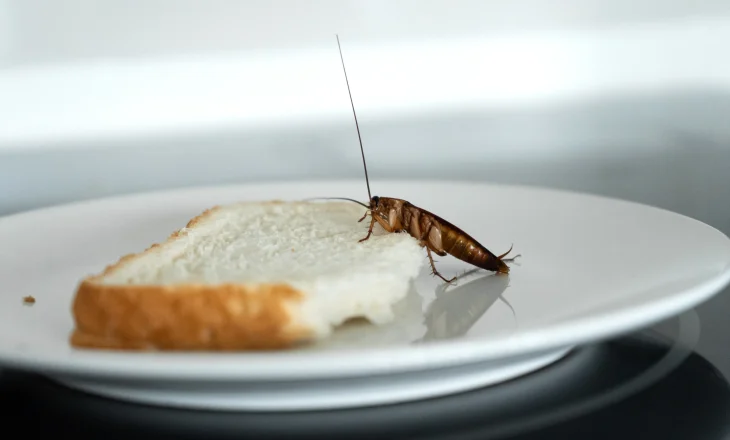
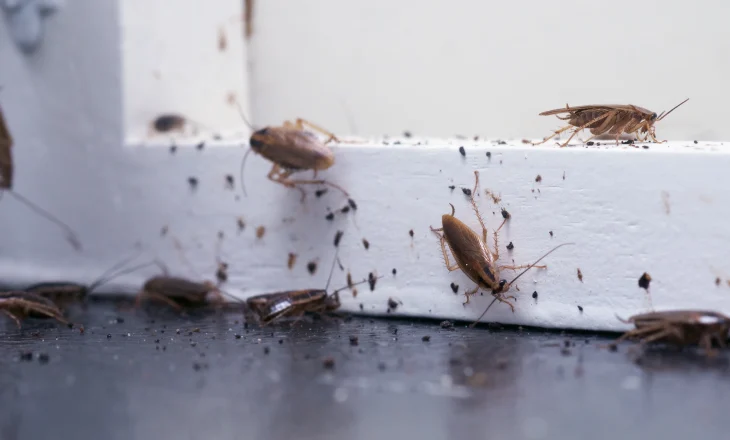
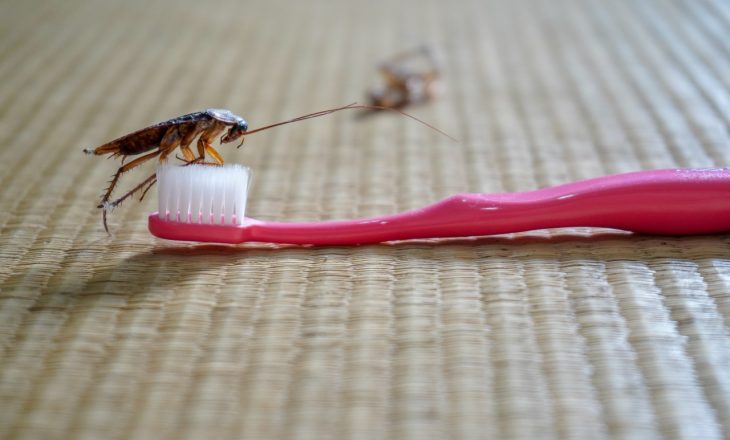
If you’ve ever seen a big, reddish-brown roach scuttling across your kitchen floor or hiding in a dark basement corner, you’ve probably met an American cockroach. These are the largest, fastest cockroaches you’ll come across, and they’re not just hanging out in homes. They thrive in restaurants, grocery stores, and even sewers (yep, you read that right).
Let’s talk about what makes these roaches tick, why they show up where we live, and, most importantly, how to get them out of your house.
What Is an American Cockroach?
Here’s the short version: The American cockroach is a large roach that loves warm, humid places and will happily move into your home or business if it finds food, water, and shelter.
So, if you’ve been wondering: “Do American cockroaches infest homes?”, the answer is yes. They prefer basements, sewers, and commercial buildings, but they’ll invade houses too, especially after heavy rain.
Appearance, Size, and Where They Are Found
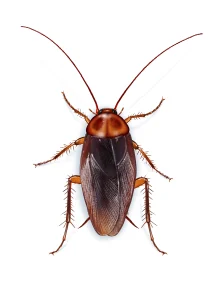
How do you spot an American cockroach? Look for:
- Size: About 1.5 to 2 inches long (as big as your thumb!).
- Wingspan: Up to 3 inches. They can fly short distances, but thankfully, they’d rather run.
- Color: Reddish-brown with a light yellowish figure-eight pattern on the back of their head.
- Speed: These guys are fast, up to 3 miles per hour.
American cockroaches love warm, humid spots like kitchens, basements, and attics, but their favorite is the sewers. Of course, they hang out in places with food and water, especially at night when they’re most active. While you’ll often find them indoors, they’re not picky—they also like to chill in garbage piles, trees, and mulch outside. They prefer to stay hidden during the day, so they’ll slip into cracks and dark corners until it’s time to come out.
American cockroaches don’t build traditional nests, but you’ll often find them clustered together in dark, moist hiding spots close to food and water.
Ever wonder what American cockroaches eat? Well, these roaches are omnivores, meaning they’ll eat just about anything. Whether it’s food scraps, garbage, glue, cardboard, or even fabric, they’re not picky eaters. This is where that bite force comes in handy! Even though they eat just about anything, they can go for a month without food. They can’t survive long without water, though, only about a week! So, you can bet they’re always on the lookout for a water source.
The Life Cycle of the American Cockroach
The American cockroach’s life cycle runs a little slower than some of its cockroach cousins, but don’t let that fool you—what they lack in speed, they make up for in sheer longevity and resilience.
- Egg cases (oothecae): Female roaches produce egg capsules containing up to 16 eggs each and will create around 8 capsules in their lifetime—adding up to roughly 128 offspring. These capsules are often tucked away in hidden, dark places where they’re safe from predators and disturbances.
- Nymphs (baby roaches): When they hatch, the young are smaller, wingless, and lighter in color than adults. Over the next 6–12 months, they’ll molt several times, growing larger and darker with each stage until they reach adulthood. (Keyword: baby American cockroach / American cockroach nymph)
- Adults: Once fully grown, American cockroaches can live for up to a year—sometimes even longer in ideal conditions. (Keyword: American cockroach lifespan)
Environment matters: In warm, humid places like basements, sewers, and commercial kitchens, they grow and reproduce much faster. In cooler, drier conditions, their development slows down, but they can still survive for long periods by hiding out and conserving energy.
Bottom line: Even though they take their time growing up, once they’re adults, American cockroaches can live long enough to establish large, stubborn infestations—especially if left unchecked.
Where Do American Cockroaches Come From?
Given their name, you might think American cockroaches would be from the United States, but you’d be wrong. American cockroaches are originally from Africa and were introduced to the U.S. around 1625. Because of global trading, they are now spread worldwide. Even though they’re mostly found in basements, sewers, and large commercial buildings like restaurants and grocery stores, sometimes they invade homes, especially after heavy rain. In places like sewers, their populations can grow to huge numbers, sometimes over 5,000 in a single manhole!
Mistaken Identity
It’s easy to mistake American cockroaches for other big roaches because they look so much alike. Australian cockroaches are often mistaken for American ones, but they’re smaller and have yellow markings on their wings. American roaches are also mistaken for Smokybrown cockroaches, which are just as big but solid dark brown or black.
American cockroaches are often mistaken for palmetto bugs or waterbugs, but these are actually different pests. The term palmetto bug is often used as a nickname for several types of roaches and even beetles, especially in the southeastern U.S. American cockroaches are just one type of roach that’s earned this nickname. Water bugs are aquatic insects which are unrelated to but look a lot like a roach. If you’re not sure which one you’re dealing with, take a closer look at their color and markings—this can help you figure it out. Or, even better, call Fox to figure it out for you!

Signs of an American Cockroach Infestation
Wondering if you have an American cockroach problem? Look for these telltale signs:
- Droppings: Small, dark pellets that resemble coffee grounds or mouse droppings.
- Egg cases: Light brown, capsule-shaped casings often found in dark corners or near water.
- Shed skins: Left behind as they grow.
- Musty smell: Larger infestations can create an unpleasant odor.
- Seeing them during the day: Like most roaches, they’re nocturnal, so daytime sightings are a sign of a heavy infestation.
Have an american cockroach problem that needs fixing?
Are American Cockroaches Dangerous?
Unfortunately, yes. These roaches are more than just gross; they can pose health risks.
They’re known to carry bacteria like Salmonella and E. coli from sewers, trash, and decaying matter into kitchens and food storage areas. On top of that, their droppings, saliva, and shed skins can trigger allergies and asthma, especially in children.
How to Get Rid of American Cockroaches
Here’s the truth: American cockroaches are some of the toughest pests to kick out. They’re big, fast, and masters at hiding in hard-to-reach places.
While DIY methods like traps and sprays might reduce their numbers, professional treatment by Fox Pest Control is by far the quickest and most effective way to wipe them out for good.
That said, there’s plenty you can do to help keep them under control and make your home less welcoming to these unwelcome guests:
1. Cut off their water supply. Roaches can survive weeks without food, but only about a week without water. Fix leaky pipes, dry out damp areas (especially in basements and bathrooms), and avoid leaving standing water in sinks or pet bowls overnight.
2. Eliminate their food sources. Store food in airtight containers, even the stuff in your cabinets. Take out the trash regularly and use bins with tight-fitting lids. Clean up spills quickly, wash dishes instead of letting them sit, and sweep up crumbs from counters, tables, and floors. Don’t forget your pets. Pick up food bowls when they’re done eating.
3. Seal their hiding spots. Use caulk to close up cracks and gaps in floors, baseboards, and walls. Roaches love tight, dark spaces, so the fewer places they can squeeze into, the better.
4. Keep things clean and organized. Regularly vacuum and mop, especially in hidden areas behind appliances and furniture. Declutter storage areas like closets, basements, and shelves; less clutter means fewer places for roaches to hide.
Bottom line: Pairing these steps with professional help from Fox Pest Control gives you the best shot at kicking American cockroaches and keeping them from coming back.
Quick Facts About the American Cockroach
- Fast movers: They can run up to 3 miles per hour.
- Omnivores: They eat just about anything, including glue, cardboard, and fabric.
- Water lovers: They can go a month without food but only a week without water.
- Misleading names: They’re often called palmetto bugs or water bugs, but those are different insects.
Bottom line: American cockroaches are big, fast, and built to survive. But that doesn’t mean you have to live with them. If you spot one, or worse, several, it’s time to call in the experts for a full inspection and treatment.