Welcome to Fox Pest Control’s ultimate guide on beetles! Whether you’re dealing with an infestation or just curious about these tiny creatures, we’ve got all the information you need. From facts and types to behaviors and treatment options, this guide covers it all. Let’s dive in!
What Do Beetles Look Like?
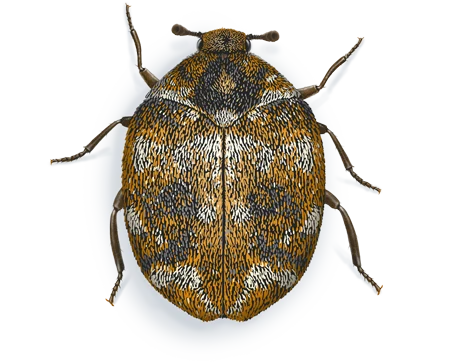
Carpet Beetle
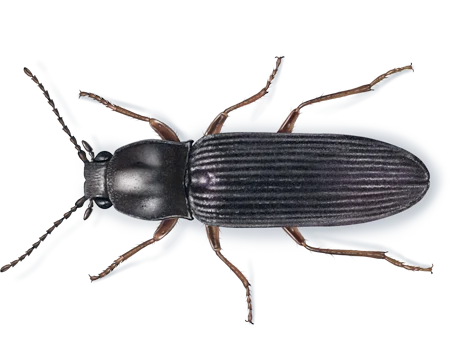
Click Beetle
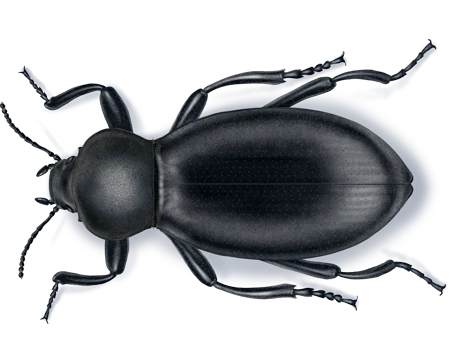
Darkling Beetle
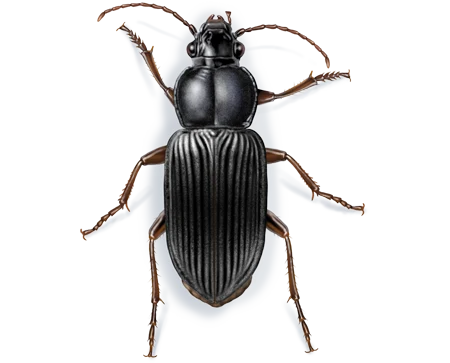
Ground Beetle
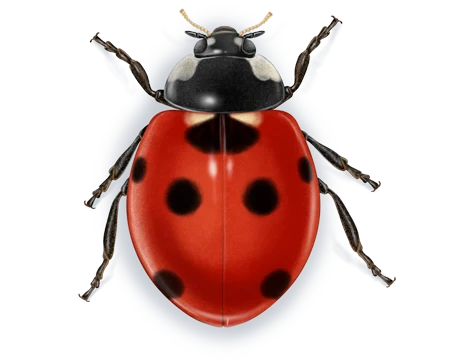
Ladybug
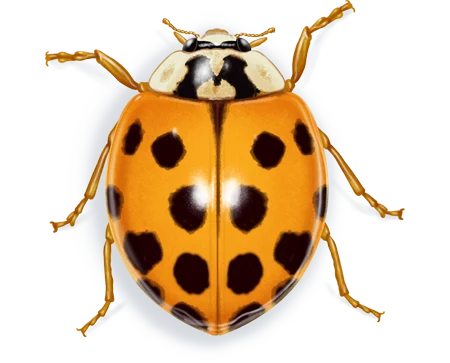
Asian Lady Beetle
Do Beetles Rule the World?
Did you know that beetles make up the largest order of insects on Earth, with around 350,000 different species? In fact, scientists estimate that beetles account for a staggering 40% of all known insect species! These fascinating creatures are incredibly diverse, and the United States is home to an impressive array of them.
Beetles have been around for a really, really long time. The oldest beetle fossils are about 295 million years old– that makes them way older than the first dinosaurs!! Their ability to adapt to nearly every environment on Earth, from deserts to rainforests, is at least part of what’s kept them around for so long. Beetles have evolved an impressive array of defenses, like hardened exoskeletons and chemical sprays, to help them survive through mass extinctions and drastic climate changes. Some beetle species have even formed beneficial partnerships with other organisms. Take dung beetles, for example—they play a key role in recycling nutrients, showing just how essential beetles are to ecosystems worldwide.
Beetle Diversity Explained
Scientists have discovered over 200 families of beetles, both living and extinct. Beetles belong to an insect order called Coleoptera, which is split into four main groups: Adephaga, Archostemata, Myxophaga, and Polyphaga. (It’s okay if you can’t pronounce those names – they’re really different!)
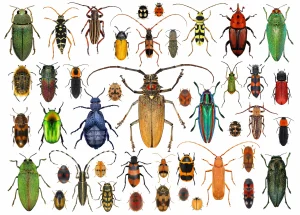
The largest group, Polyphaga, makes up about 90% of all beetle species and includes lots of different types, like weevils and plant-eating beetles. Classifying beetles can get complicated because some groups are ranked differently depending on how scientists organize them. Sometimes beetles are grouped into families or subfamilies, and those can even be split into smaller groups called tribes or subtribes.
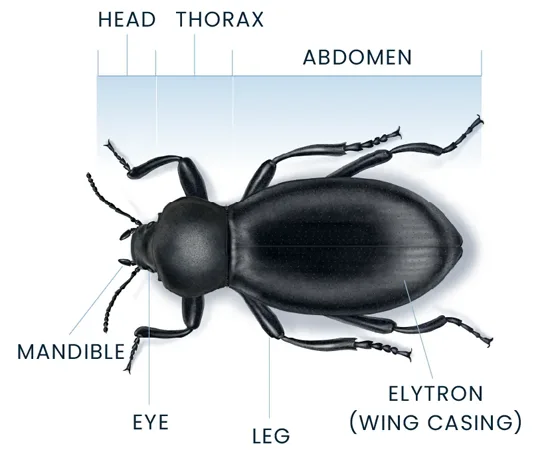
It’s important to know that as adults, most beetles have a tough, hard outer shell called an exoskeleton that protects their bodies. Their front wings, called elytra, are usually hard and act like shields for their back wings. When beetles aren’t flying, the elytra close over their backs, forming a straight line down the middle. This line is one of the easiest ways to recognize a beetle. When beetles fly, the elytra open up and help keep them stable in the air.
Beetle Families – It’s Who You Know!
Because there are so many species of beetles, we’re going to look at just a few of the most common beetles in the US and what makes them unique. The list below includes just some of the common families of beetles we know about. We’re going to learn a little more about each of these families, including which ones you’re most likely to encounter, if they are beneficial or a true pest, and more. Are you ready? Let’s dig in!
- Cantharidae — Soldier Beetles
- Carabidae — Ground Beetles and Tiger Beetles
- Cerambycidae — Longhorned Beetles
- Chrysomelidae — Leaf Beetles
- Coccinellidae — Lady Beetles
- Curculionidae — Weevils
- Dytiscidae — Predaceous Diving Beetles
- Elateridae — Click Beetles
- Gyrinidae — Whirligig Beetles
- Hydrophilidae — Water Scavenger Beetles
- Meloidae — Blister Beetles
- Passalidae — Bess Beetles
- Scarabaeidae — Scarab Beetles
- Silphidae — Carrion Beetles
- Staphylinidae — Rove Beetles
- Tenebrionidae — Darkling Beetles
1. Cantharidae — Soldier Beetles
There are over 400 species of soldier beetles in North America. They are often mistaken for fireflies because of their body structure and colors, but they don’t glow. These beetles are beneficial to gardens, as both adults and larvae feast on aphids and other insect pests. Adult soldier beetles do contribute to pollination, but not as much as bees do.
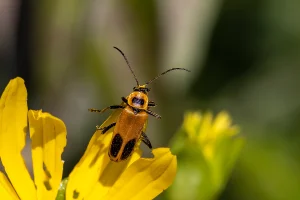
Common species: In the U.S., the Goldenrod soldier beetle is a common sight, especially in fields of wildflowers.
Appearance: Members of this beetle family come in all sorts of sizes and colors, but they have a few special traits that make them stand out from other insects. Unlike most beetles that have tough, hard wing covers (called elytra), these beetles have soft and leathery forewings. Plus, their heads stick out a bit from their bodies, giving them a unique look!
Bite or Sting: Soldier beetles don’t bite or sting humans. They’re harmless to people.
Diet: As adults, they primarily feed on nectar and pollen from flowers. However, they are also opportunistic predators, eating aphids and other soft-bodied insects. The larvae are even more carnivorous, feeding on soil-dwelling pests.
Did You Know: Soldier beetles are known for their habit of clustering on flowers, which can make them look like they’re having a bug “party.” During mating season, it’s common to see many pairs coupled up on the same flower!
Have a beetle problem that needs fixing?
2. Carabidae — Ground Beetles and Tiger Beetles
These beetles are very important in garden and other agricultural settings. There are at least 34,000 species worldwide, and hundreds in the US. Ground beetles are speedy predators that hunt insects at night, and tiger beetles are known for their incredible running speed during the day.
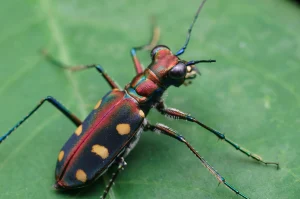
Common Species: Species like the Fiery Searcher (known for their metallic colors) help control pest populations and are common in the US. These beetles primarily hunt and feast on caterpillars, as well as nearly any other soft-bodied insects they find.
Appearance: Ground beetles generally have a robust, elongated body and long legs designed for running. Their colors range from shiny black to metallic greens and blues. Tiger beetles, a subgroup, are often more slender with striking patterns and bright colors, including greens, browns, and metallic shades.
Bite or Sting: Ground beetles can bite if handled, but they aren’t dangerous to humans. Their bite is usually harmless but can be startling.
Diet: These beetles are voracious predators. Ground beetles hunt insects, slugs, and worms; tiger beetles use their incredible speed to chase down and eat other small invertebrates.
Did You Know: Tiger beetles are known for their extreme running speed, clocking in at up to 5.6 miles per hour! They can be so fast that they momentarily lose sight of their prey, needing to pause and reorient themselves.
3. Cerambycidae — Longhorned Beetles
Longhorned beetles are a diverse group with over 35,000 species worldwide, each with unique behaviors and roles in their respective ecosystems. While some are helpful decomposers, others are major pests that require careful management to protect forests and urban trees. One species of Longhorn beetle mimics its cousin, the firefly, in size, shape, and color and even has specialized light-producing segments on its abdomen that make it to glow in the dark.
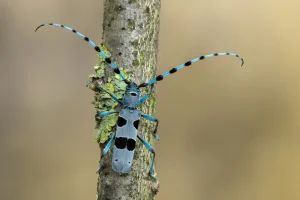
Common Species: The Asian Longhorned Beetle is an invasive pest found in the US that tunnels into hardwood trees, especially maples, causing serious damage. It’s easy to spot with its shiny black body, white spots, and super-long, striped antennae.
Appearance: Longhorned beetles get their name from their long, slender antennae, which can be as long or longer than their bodies. They’re usually elongated, cylindrical shaped and come a variety of colors and patterns.
Bite or Sting: Longhorned beetles don’t bite or sting, but their long, spiky antennae can make them look intimidating.
Diet: As larvae, they tunnel into wood and feed on the inner layers of trees, which can damage living trees or wooden structures. Adults typically eat nectar or don’t feed much at all.
Did you know: The immature stage of longhorned beetles is a wood-boring larva called a roundheaded borer, which burrows into trees and tunnels through the wood for one to three years. These larvae are white to yellowish with a brown head, and their tunnels, packed with sawdust, can often be found just beneath the bark or deep in the heartwood.
4. Chrysomelidae — Leaf Beetles
Leaf beetles are colorful plant eaters, and some, like the Colorado Potato Beetle, are well-known agricultural pests in the U.S. Despite their pest status, their bright colors can be striking, with many species being vibrantly patterned.
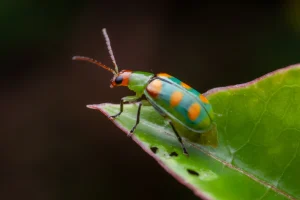
Common Species: The Cottonwood leaf beetle is a small beetle that loves to munch on cottonwood, willow, and poplar trees. It’s easy to recognize with its yellow or orange body and black spots or stripes. These beetles can be a problem for trees because both the adults and their larvae chew on leaves, which can weaken the tree if there are a lot of beetles around.
Appearance: Leaf beetles are usually small and oval-shaped with smooth, shiny bodies. They come in all kinds of colors, like bright green, yellow, and even cool metallic shades. Some types even have unique patterns or markings on their wing covers.
Bite or Sting: Leaf beetles do not bite or sting.
Diet: Leaf beetles feed on leaves, flowers, and plant stems. The Colorado Potato Beetle is notorious for damaging potato crops, and other species can destroy garden plants.
Did you know: Many leaf beetles have vibrant and colorful patterns that make them stand out. They also exhibit behavior called “reflex bleeding,” where they release foul-smelling blood to deter predators.
5. Coccinellidae — Lady Beetles
Ladybugs are one of the few bugs people actually like landing on them because they’re thought to bring good luck. Whether they bring luck or not, they’re definitely helpful to have around the garden! Lady beetles, or ladybugs, are loved by gardeners because they eat aphids and other plant-damaging insects.

Common Species: In the U.S., the Seven-Spotted Lady Beetle and the invasive Asian Lady Beetle are common sights, especially in the fall.
Appearance: Ladybugs are usually round or oval with a cute, dome-shaped back. Most are red or orange with black spots, but some can be black or yellow with other markings. Their unique look makes them super easy to recognize!
Bite or Sting: Lady beetles don’t have a harmful bite, but some species, like the Asian Lady Beetle, can give a mild nip if threatened.
Diet: They are famous for eating aphids, mealybugs, and other plant-damaging insects. A single lady beetle can eat thousands of pests in its lifetime.
Did you know: Lady beetles will release a yellow, foul-smelling liquid from their leg joints when they feel threatened, similar to leaf beetles. This liquid deters predators and smells awful!
6. Curculionidae — Weevils
Weevils are small beetles with long snouts, and many species are agricultural pests. There are over 50,000 species of true weevils, which makes them arguably one of the largest beetle families!!
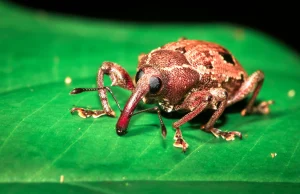
Common Species: The infamous Boll Weevil, which once devastated cotton crops in the southern U.S., is a well-known member of this family.
Appearance: Weevils are quirky little beetles known for their long snouts, which they use like a mini drill to bore into plants and seeds They have oval or cylindrical bodies, often covered in fine hairs or scales, and can be brown, black, or even brightly colored. Their size can vary widely, with some being just a few millimeters long.
Bite or Sting: Weevils don’t bite or sting humans, and they are more of a nuisance than a threat.
Diet: Weevils feed on a wide range of plants, seeds, and stored grains. The Granary Weevil is a common pest that infests food storage areas.
Did you know: As a defense mechanism, some beetles will make a sound by rubbing their elytra (wing covers) against their abdomen, creating a kind of “song.” This behavior is often used to startle predators or warn other beetles nearby. In fact, the sound is produced by a process called “stridulation,” which is similar to the way crickets make noise by rubbing their legs together. It’s a unique and effective way for beetles to protect themselves from being eaten!
7. Dytiscidae — Predaceous Diving Beetles
These beetles are aquatic predators with smooth, streamlined bodies and strong back legs adapted for swimming. You might spot them in ponds and lakes across the U.S. diving for prey like tadpoles and small fish.

Common Species: The giant diving beetle is about 2.6-3.3 cm long and can be found all across the United States, especially in warmer areas. They live in small bodies of water like puddles or cattle tanks, where there are no fish.
Appearance: These beetles are usually oval or long with a smooth, shiny body, and they’re often dark brown or black, sometimes with a metallic shine. They’re built for swimming, with big, flat, fringed back legs that help them move easily through water.
Bite or Sting: These beetles have strong jaws and can bite if handled roughly. The bite can be painful but isn’t dangerous.
Diet: They are predators, feeding on tadpoles, small fish, and insects. Larvae, sometimes called “water tigers,” are fearsome hunters with strong jaws.
Did you know: Predaceous diving beetles carry a bubble of air under their abdomen when they dive, allowing them to breathe underwater. They are skilled swimmers, using their powerful hind legs to dart around ponds and streams.
Have a beetle problem that needs fixing?
8. Elateridae — Click Beetles
Click beetles are cool because they can make a “click” sound and jump! They do this by using a special joint between parts of their body, which lets them snap and flip into the air when they’re threatened. The click is meant to startle predators.
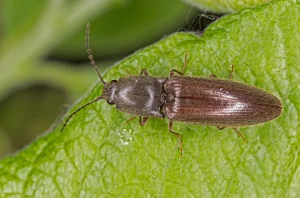
Common Species: In the U.S., the Eyed Click Beetle, with its large eye-like spots, is a particularly common and striking species.
Appearance: Click beetles have a long, slender body that’s usually brown or black, though some can be more colorful. They have a distinct, smooth appearance with wide, rounded heads and antennae that are often pretty noticeable.
Bite or Sting: Click beetles don’t bite or sting and are completely harmless.
Diet: Adults usually feed on plant material, while larvae live in the soil and eat roots, which can damage crops.
Did you know: Click beetle larvae, also called wireworms, can be a serious pests for farmers. They live in the soil and feed on the roots of plants like corn, potatoes, and wheat, which can damage the crops and hurt their growth. Since wireworms are hard to spot underground, they can be tricky to control!
9. Gyrinidae — Whirligig Beetles
Whirligig beetles are often seen spinning around on the surface of ponds and streams. These beetles, which have eyes split to see above and below water, are common in the U.S. and are fascinating to watch in action.

Appearance: Whirligig beetles have a distinctive oval shape with a flattened body, which helps them glide on the water’s surface. Their coloring is usually dark brown or black with a shiny appearance. They have two pairs of compound eyes, which is a unique trait that allows them to see above and below water simultaneously.
Bite or Sting: They don’t bite or sting, and they’re harmless to humans.
Diet: Whirligig beetles feed on dead insects that fall into the water, small insects, algae, and even tiny fish. They’re often found in ponds or slow-moving streams.
Did you know: Whirligig beetles are great swimmers and can zip across the water at impressive speeds. Their ability to move quickly in circles helps them escape predators and catch prey.
10. Hydrophilidae — Water Scavenger Beetles
Water scavenger beetles are often mistaken for predaceous diving beetles but are known for feeding on decaying plant and animal material in water. These beetles are common in U.S. ponds and streams and have a unique habit of carrying a bubble of air under their bodies.
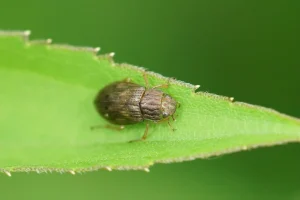
Common Species: The giant black water beetle is one of the largest aquatic beetles in North America, growing up to 2.5 inches long! It has a sleek, black body and is a strong swimmer, using its large, paddle-like legs to move through the water. These beetles are powerful predators, feeding on small fish, tadpoles, and other aquatic creatures.
Appearance: Water scavenger beetles are usually oval or long and have a shiny look. They can be black, brown, or even metallic colors. With their long, thin legs made for swimming, they also have short, clubbed antennae to help them navigate through the water.
Bite or Sting: They don’t bite or sting and are not harmful to people.
Diet: They eat decaying plant and animal matter in the water, but some species are also predatory. They are part of nature’s clean up crew!
Did you know: These beetles are found in nearly every type of freshwater habitat, from ponds and lakes to streams and marshes. They thrive in both calm waters and gentle currents.
11. Meloidae — Blister Beetles
Blister beetles feed on plants, and while they can be a pest in gardens or on crops like alfalfa, they’re also helpful because their larvae eat grasshopper eggs, keeping those populations in check. Some species also mimic the appearance of bees or other insects.

Common Species: In the U.S., the ashgray blister beetle is one of the most common beetles you can find. It is a slim, gray beetle with a soft body and long, skinny legs and feeds on plants like alfalfa and potatoes.
Appearance: Blister beetles have long, narrow bodies and can have either soft or tough shells. They often come in bright colors like black, orange, or yellow, with stripes or spots, though they look different depending on the species.
Bite or Sting: Blister beetles don’t bite, but they produce a toxic substance called cantharidin, which can cause skin blisters if touched.
Diet: Adults feed on flowers and plant leaves, while larvae are often parasites that prey on the eggs of grasshoppers or bee larvae.
Did you know: Blister beetles are known for their chemical defense. Cantharidin, the toxin they produce, is used in traditional medicine but can be dangerous.
12. Passalidae — Bess Beetles
Bess beetles are large, shiny, and often found in rotting logs, where they help break down dead wood. In the U.S., these beetles are known for their social behavior, living in family groups and even making squeaking sounds to communicate.

Common Species: These bug guys are also known as Betsy beetles or bessbugs. They are seen throughout the central and Eastern United States.
Appearance: Bess beetles are big, sturdy beetles with shiny black bodies. They can get pretty large, sometimes over an inch long, and have smooth wing covers with noticeable ridges along their backs. They’re sometimes called “patent leather beetles” because they’re so shiny!
Bite or Sting: Bess beetles don’t bite or sting and are completely harmless.
Diet: They live in decaying wood and feed on rotting plant material, playing an important role in decomposing forests.
Did you know: Bess beetles are highly social and communicate with each other through squeaks and grunts, using sounds made by rubbing their body parts together. They also live in family groups, with both parents caring for their young.
13. Scarabaeidae — Scarab Beetles
Scarab beetles are famous for their diversity and include both pest species and beneficial ones. There are about 1,700 species of scarab beetles in the US. Scarabs are famous for their special meaning in ancient Egypt. The scarab beetle, especially the Pharaoh’s scarab, was seen as a symbol of rebirth, change, and protection. People wore scarab-shaped amulets for good luck and to keep away bad luck.

Common Species: Two common species that you’ve most likely heard of are the Japanese beetle and the Dung beetle. Japanese beetles are shiny, metallic green with copper-colored wings. They’re considered pests in the U.S. because they feed on over 300 types of plants, damaging gardens and crops. Dung beetles are nature’s cleanup crew—they roll animal droppings into balls to bury and feed on later, which helps recycle nutrients into the soil.
Appearance: Scarab beetles are usually big and round, with tough, rounded bodies. They come in colors like black and brown, sometimes with a metallic shine, and some even have cool horns or ridges on their heads, especially the males.
Bite or Sting: Most scarab beetles don’t bite or sting, though some can be intimidating in size. In fact, if they feel threatened, scarites will roll to their back and play dead!
Diet: This family includes dung beetles that roll and bury animal waste, and others that feed on flowers, fruits, or leaves.
Did you know: Dung beetles are famous for rolling balls of dung much larger than themselves, which they bury to use as food or a safe place for their eggs. Some scarabs are also attracted to lights at night and have iridescent, jewel-like colors.
Have a beetle problem that needs fixing?
14. Silphidae — Carrion Beetles
Carrion beetles are nature’s unsung cleanup crew, playing a vital role in breaking down dead plants and animals. Each species has its own specialty: some are drawn to different animal carcasses, while others, target fruit, making them a bit of a pest in orchards and gardens. In the U.S., you’ll mostly find these beetles working hard in forests, quietly helping keep our ecosystem balanced.

Common Species: The American Burying Beetle is the largest carrion beetle in North America. It’s active from late spring to early fall, burying itself in the soil during the day and flying at night to find carrion, which is decaying animal flesh. Sounds pretty gross, right? But these beetles love it! The American Burying beetle is also known as the “giant carrion beetle.” Unfortunately, due to urban development, these beetles are endangered and federally protected.
Appearance: Carrion beetles have flat, oval-shaped bodies, usually black or dark brown, with some yellow or orange markings. They often have short, club-like antennae that are easy to spot.
Bite or Sting: They don’t bite or sting and are not a danger to people.
Diet: Carrion beetles feed on dead plants and animals and help decompose them, making them important for recycling nutrients in ecosystems.
Did you know: These beetles sometimes bury small animal carcasses underground to hide them from other scavengers. They even coat their food with secretions that slow down decay, which is useful when feeding their larvae.
15. Staphylinidae — Rove Beetles
Rove beetles have short wing covers, making them look more like earwigs than typical beetles. They are common in the U.S. and are known for being fierce predators of pests like flies and small insects.

Appearance: Rove beetles have long, narrow bodies with short wing covers that leave most of their backs exposed. They’re usually black or brown, and some species have bright colors.
Bite or Sting: Rove beetles don’t sting, but some species can give a mild pinch. Certain types have chemical defenses.
Diet: Most are predators, feeding on insects, mites, and decaying organic matter. Some even eat pests like fly larvae.
Did you know: Rove beetles have a unique habit of raising their rear ends when threatened, similar to scorpions. With their short wing covers, they look very different from typical beetles and are among the fastest runners in the beetle world.
16. Tenebrionidae — Darkling Beetles
Darkling beetles are known for their preference for dry environments and are often found in deserts and arid regions of the U.S. Darkling beetles are pests of stored foods like flour, rice, pasta, and pet food, especially when items are cracked or damp. They often hide in dark places, building up their numbers unnoticed. Some species even taint food with an unpleasant smell and taste. The larvae of some species, called mealworms, are commonly used as pet food or for research.
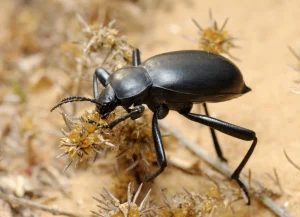
Appearance: Darkling beetles are thick-bodied with a hard shell, usually in shades of black or brown. Some have a bit of fuzz and unique patterns or markings on their shells.
Bite or Sting: They don’t bite or sting and are harmless to humans.
Diet: Darkling beetles are scavengers and will eat both fresh and decaying vegetation. They will eat fresh fruit and vegetables when in captivity.
Did you know: Some darkling beetles have a behavior called “headstanding,” where they raise their rear ends to release a foul-smelling chemical as a defense. They also thrive in extreme conditions, with species adapted to deserts and harsh climates.
Life Cycle of Beetles
All beetles go through a pretty cool life cycle with four stages: egg, larva, pupa, and adult. That’s where the similarities end, though. Each species’ life cycle can vary in the length of each stage, the amount of time to reach adulthood, and how many eggs a female can lay. Let’s look at the general life cycle of beetles:
It all starts when the female beetle lays her eggs in a safe spot, usually near food sources for the young.
Once the eggs hatch, tiny larvae emerge and start eating right away to fuel their growth. These larvae look like little worms, and they spend most of this stage munching on whatever food they can find. Sometimes they are called “grubs.”
After they’ve grown enough, they enter the pupa stage, where they’re wrapped up in a cocoon-like shell. This is where the big transformation happens, as they slowly turn into their adult beetle form.
Finally, the adult beetle breaks out of the pupa and is ready to explore, mate, and keep the cycle going by laying eggs of its own. Depending on the species, this whole process can take just a few weeks or even a couple of years!
Since the timing of each stage can vary widely between beetle species, researching the specific species is essential for the full picture of their life cycle.
Mistaken Identities: Beetle Look-alikes
There are quite a few insects that look like beetles but actually belong to other groups. Here are some of the most common beetle look-alikes that often get mistaken:
Cockroaches – With their hard, shiny bodies, some roaches (especially small ones like German cockroaches) can look similar to beetles at a glance, but they’re actually part of a different insect order entirely.
True Bugs – Some true bugs, like the stink bug or the shield bug, have tough shells and beetle-like shapes. However, true bugs have unique mouthparts for piercing and sucking, which beetles lack.
Earwigs – These insects have long bodies and tough outer shells, making them resemble beetles. However, their pincers (forceps) at the back set them apart.
Flying Ants – During swarming season, flying ants can look a lot like beetles with their hard-looking wings. But ants are part of the Hymenoptera order, along with bees and wasps.
Knowing these differences can help identify pests more accurately and understand how best to manage them!
Signs of a Beetle Infestation
If you’ve seen beetles around your home and want to know what to look for, there are a few telltale signs that indicate a beetle infestation. specific signs depend on the type of beetle, here are some general indicators to watch for:
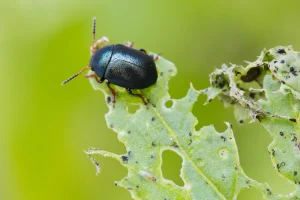
- Damaged Food or Plants – Beetles that target stored foods (like flour or rice) may leave behind damaged, discolored, or powdery food. For plant-eating beetles, look for holes, yellowing, or chewed-up leaves.
- Shed Skins or Frass (Insect Waste) – Many beetles leave behind frass (tiny droppings) that look like powder or sawdust. You might also spot exoskeletons or shells, especially in areas with stored grains or pet food.
- Small Holes in Wood – If you have wood-boring beetles, they’ll leave tiny holes in wooden structures, furniture, or floors, often with a small pile of sawdust around the openings.
- Live or Dead Beetles – Finding adult beetles around windows, in pantries, or near light sources can indicate an infestation. You might also notice dead beetles in those same areas if they’ve been around for a while.
- Unpleasant Odor – Some beetles, like darkling beetles or certain pantry beetles, can give off a musty, unpleasant smell, especially in large numbers. This odor can sometimes taint nearby foods as well.
- Piles of Sawdust or Wood Shavings – If you see tiny piles of sawdust near wooden furniture, beams, or walls, it could be a sign of wood-boring beetles, like powderpost beetles, actively tunneling into the wood.
If you spot any of these signs, it’s a good idea to call Fox Pest Control. Beetles can damage food supplies, plants, and even structural materials if left unchecked.
Have a beetle problem that needs fixing?
What You Can Do About Beetles
So, you saw the signs, and you know you’ve got beetles. Or, you don’t see any signs but want to make sure you don’t have a neon sign inviting beetles to move in and make themselves at home. We have some great tips to help make your home less inviting to these pesky insects.

- Keep Food Sealed – Store dry foods like flour, rice, cereal, and pet food in airtight containers. This keeps pantry beetles like flour beetles and weevils from getting in and laying eggs.
- Clean Up Crumbs and Spills – Regularly wipe down counters, sweep floors, and clean up any food spills. Even tiny crumbs can attract beetles and other pests.
- Reduce Moisture – Many beetles (like powderpost beetles) prefer damp wood, so fixing any leaks around sinks, in basements, or in crawl spaces can reduce the appeal. Consider a dehumidifier if humidity is an issue.
- Inspect Plants and Firewood – Beetles can hitch a ride on firewood, potted plants, or even garden tools. Inspect these items for signs of beetles before bringing them indoors, and store firewood away from the house.
- Seal Cracks and Openings – Check for gaps around doors, windows, and foundations, and seal any openings you find. This can keep beetles from wandering inside in the first place.
- Use Outdoor Lighting Wisely – Some beetles are attracted to bright lights, so try using yellow or LED lights around doors and windows to reduce the attraction. Closing blinds at night can also help.
- Check Stored Items and Pantry Goods – Every so often, inspect pantry items and storage spaces (especially in basements or garages) for signs of beetles or other pests. Catching an infestation early can make a big difference.
By staying proactive with these tips, you can create a less inviting environment for beetles and avoid bigger pest problems down the road!
How Do I Get Rid of Beetles?
What if you’ve done all the things we mentioned above, and you still end up with a beetle problem? That’s when it’s time to contact Fox Pest Control. We know all about beetles and what to do to get rid of them. When you combine the tips we shared above with our Home Protection Plan, you get year-round protection from beetles and many other common household pests. We’ll help you spot entrance points, unsealed areas, and potential issues causing the infestation. Our technicians get regular, on-the-ground training and know how to deal with your beetle problem. You can count on Fox to give you peace of mind and help you feel comfortable and safe in your home. Give us a call today!